




New report reveals the impact of placement moves on the educational attainment of children in long-term foster care

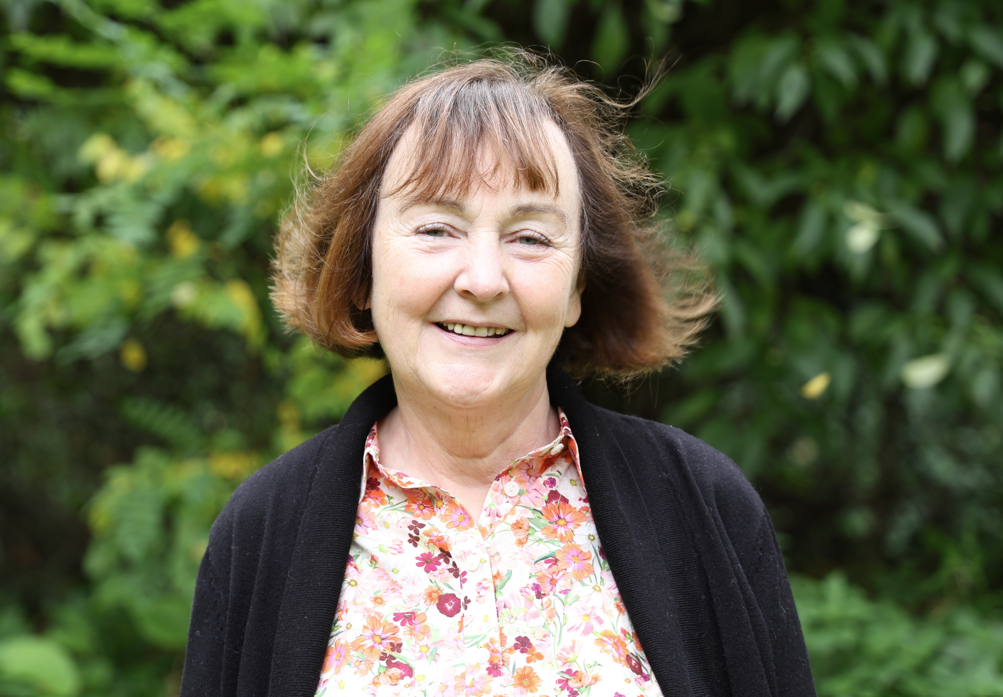
Professor Julie said: “Children with a permanent long-term foster care decision are expected to remain with the same carer, but by age 16 only 51% of the children were in the same placement.
“Our findings show that placement stability has a profound impact on attainment. Only 22% of young people who experienced 5 or more placement changes after their permanence decision achieved Level 2 qualifications (5+ GCSEs at grade 9-4 or equivalent qualifications), and just 7% reached Level 3 (2+ A levels or equivalent qualifications). In contrast, among those with one or no placement changes, 56% attained Level 2 and 31% achieved Level 3.
“Although long-term fostering should be a genuine permanence option that offers children stability and a sense of belonging throughout their childhood, it had not provided the same stability as either adoption or special guardianship orders.”
Part of the Family Routes programme, the study followed 1,170 children who had a permanent long-term foster care decision, who entered care before age eight and remained in care, tracking their educational progress up to age 24.
53% of the long-term fostered children had an identified Special Educational Need (SEN) compared to 14% of all pupils. The high rate of SEN only partly explained children’s low educational attainment.
Early attainment at primary school emerged as the strongest predictor of later success.
In contrast, placement instability and persistent absence were closely linked to poorer outcomes. Being a girl and non-White ethnicity were positive predictors of attainment.
However, young people continued to study and completed their Level 2 qualifications at older ages than their peers and in FE institutions rather than mainstream schools.
By age 19, 48% had a Level 2 qualification compared to 87% of all students and just under a third (31%) had English and Maths.
Overall, the research highlights both the resilience of young people in care and the need for earlier support, stable placements and sustained school engagement to improve educational outcomes.
Latest
-
 NewsNew report on early insights into Pupil Premium Plus Post-16 fundingMarch 27, 2026
 -
 BlogRelational poverty perspectives: Reflections on a Rees Centre webinar from Caroline SpaasMarch 24, 2026
 -
 NewsRees Centre welcomes Dr Clive Diaz as senior academic leaderMarch 11, 2026