




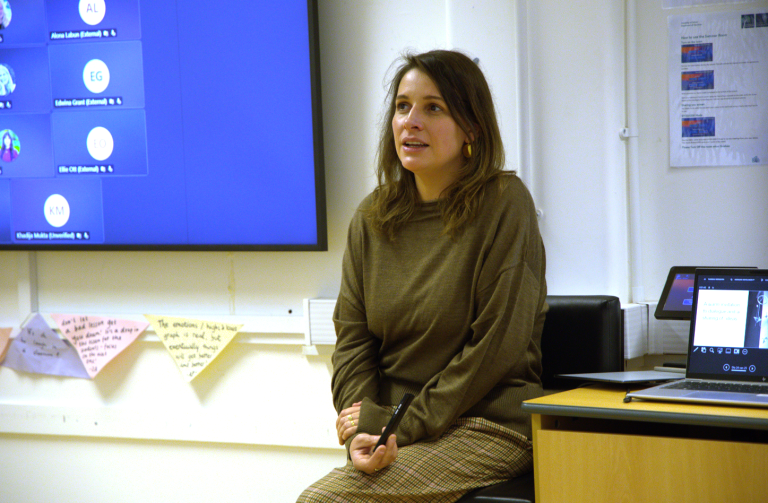
Relational poverty perspectives: Reflections on a Rees Centre webinar from Caroline Spaas

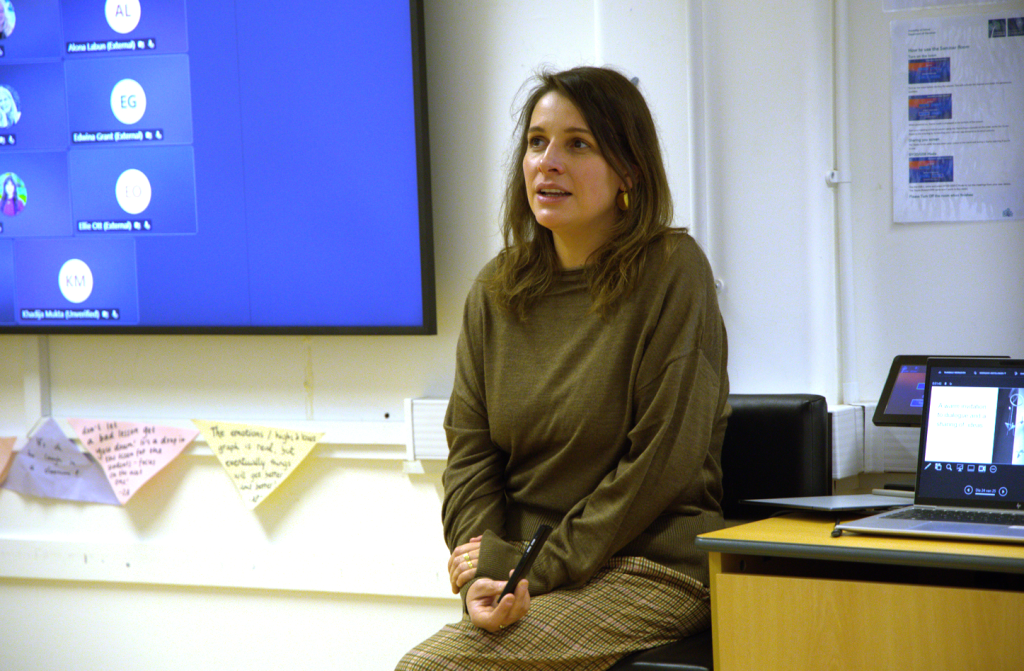
The issue
Relational poverty perspectives were examined in this webinar as a way to strengthen pedagogical research on family poverty and child welfare/protection services, focusing on how poverty shapes relationships within families, communities, and between families and child welfare services.
The speaker
Caroline Spaas is an assistant professor, clinical psychologist, and family therapist at the Parenting and Special Education Research Unit of the Faculty of Psychology and Educational Sciences, KU Leuven. Her work emphasises relational, family-centered, and community-based approaches to examine and strengthen the responsiveness, inclusivity, and equity of support and care systems for children, young people, and their families.
The webinar
Caroline delivered a theoretically grounded and empirically informed session titled Relational Poverty Perspectives as a Pedagogical Research Lens for Child Welfare and Protection Services, exploring how relational poverty perspectives can strengthen pedagogically informed research on family poverty and child welfare/protection services, while encouraging critical reflexivity in how poverty is understood and addressed within practice.
Using Belgian data, she highlighted that 18.3% of the population is at risk of poverty and social deprivation, and that children who grow up in poverty are four times more likely to encounter child welfare and protection services than their peers. She situated this within broader concerns about the overrepresentation of families experiencing poverty in child welfare systems and the reproduction of social inequalities within these services.
She discussed how in practice poverty is often treated as background context, described in the literature as the “wallpaper” of policy and practice, while interventions focus primarily on parenting risk and safety. Referring to scholarship on the “pedagogicalisation of poverty,” she explored the implications of this framing for how families are positioned within services.
Turning to relational poverty perspectives, she emphasised the idea that poverty is fundamentally relational: people’s relationships can drive poverty, poverty itself is expressed through, and shapes relationships. This includes experiences of stigma, shame, lack of recognition, and denial of rights within child welfare encounters.
Through an adaptation of bell hooks (2000), she reminded us that “our work includes both protracted struggle to end poverty and immediate effort to end [and understand] the suffering [and resistance] poverty produces”. This framing captures the ethical and practical commitment at the heart of her relational, poverty-aware approach to child welfare and protection services.
Caroline argued that integrating relational poverty perspectives with pedagogical frameworks enables micro-relational analysis of everyday interactions in contexts of poverty. This research agenda was illustrated through two ongoing studies: one examining parenting as a form of resistance to poverty, and another exploring everyday relational dynamics in shared family care between families experiencing poverty and team members. Findings from this emphasise that “poverty is always there” in everyday care encounters. Poverty intensifies stress and shapes participation, disclosure, and engagement. At the same time, families demonstrate agency and resistance, and moments of recognition can support relational trust.
She concluded by emphasising the value of a relational analysis that enables a nuanced understanding of family relationships and parenting as key sites of welfare intervention, while attending to both suffering and resistance.
Areas of debate
The discussion focused on how structural inequalities and relational dynamics intersect within child welfare systems, and how services can avoid reproducing injustice while addressing safeguarding concerns. Another question from the audience concerned the findings from Spaas’s study on shared family care, particularly the outcomes of this type of intervention.
What is the Rees Centre doing?
The Rees Centre’s work aligns closely with the themes raised in this session, particularly in addressing inequalities within child welfare systems and strengthening evidence-informed practice.
Practice in Children’s Social Care
Our work contributes to those working and living with children supported by social care, namely social workers, foster carers, adoptive parents and kinship carers, to sustain stable homes and relationships, and to promote children’s education, development and well-being.
Policy and System Change
The Centre leads research on how the care system learns and improves, including how children’s social care uses information and data to improve experiences and outcomes. This ensures that our policy and practice advice is credible, informed and realistic, and supports policymakers to test improvements and their impact on practice.
Other resources
Spaas, C. (2025). Relational poverty and social justice in child welfare: A research agenda for clinical child and family studies. In E. Fernandez (Ed.), Theoretical and Empirical Insights into Child and Family Poverty (2nd ed). Springer
Written by Vania Pinto
Latest
-
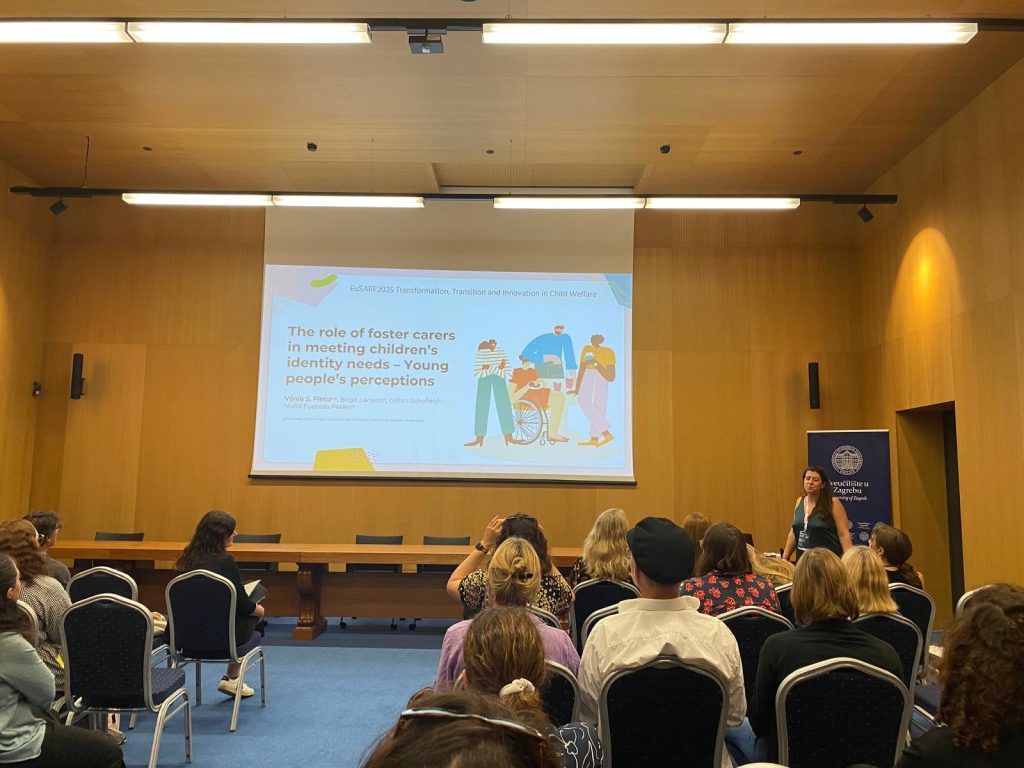 BlogBelonging and becoming: Rethinking children’s identity development in foster care and adoptionSeptember 29, 2025
 -
 BlogReflections on the latest Rees Centre lunchtime webinar: Pathways into and through Higher Education for young people with experience of children’s social careJuly 17, 2025
 -
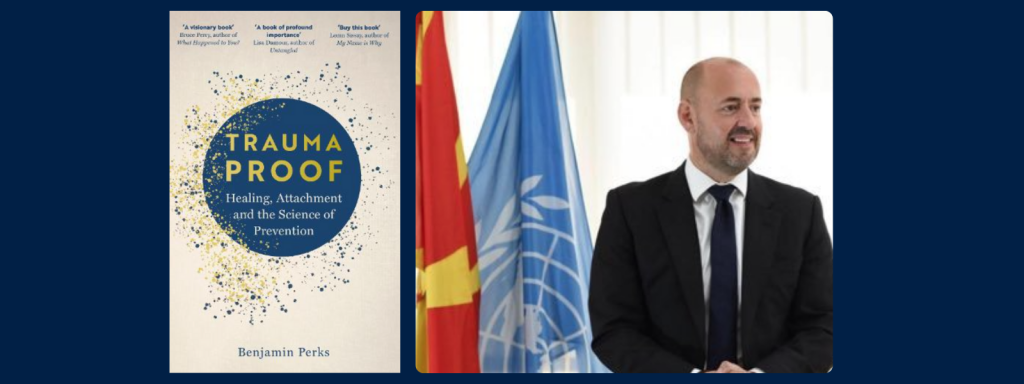 BlogEnding child maltreatment: reflections on a Rees Centre webinar from Ben PerksJuly 11, 2025