




The Project
This project examined how international mobility shaped development outcomes across societies. It addressed whether and how the cross-border movement of students, professionals, and young people translated into systemic change in their home countries.
Using a large-scale mixed-methods design, the project integrated longitudinal quantitative analysis of international mobility flows and development indicators with an extensive qualitative study of internationally mobile and non-mobile actors. Drawing on over 700 interviews across 70 countries, the research analysed how international experiences shaped agency, knowledge, social relations, and civic and intercultural understanding. Particular attention was given to alumni of major international exchange programmes, assessing their contributions across education, health, poverty reduction, governance, and civic life.
The findings showed that international mobility mattered not only through individual advancement but through longer-term system-level processes. Quantitative analyses identified significant associations between international mobility and development outcomes over time, while qualitative evidence demonstrated how internationally mobile individuals navigated structural constraints, translated knowledge, sustained transnational ties, and engaged institutions in context-sensitive ways. The research also examined limits and risks, including unequal access to mobility, environmental costs, and institutional resistance to externally informed ideas.
Spanning six global regions, the project offered one of the most comprehensive empirical assessments to date of international mobility as a development-relevant process. Situated within debates on brain drain, global inequality, and the growing politicisation of mobility, it showed that international education functioned neither as a simple policy instrument nor as an automatic driver of change, but as a conditional and context-dependent process with enduring societal significance.
Publications arising from the project are listed below and will continue to be updated as further outputs appear.
Publications
Chankseliani, M. (2026). Internationally Educated Health Professionals and Health-System Change: A Global Qualitative Study. Global Public Health, 21(1)
Chankseliani, M., Akkad, A., Hanley, N., Kwak, J., & Wang, Z. (2025). International study and democratic consciousness: From formation to engagement. International Journal of Educational Development, 119, 103453-103453.
Chankseliani, M. (2025). The Long Horizon: Why International Education Matters for Poverty Reduction. International Higher Education.
Hanley, N, Chankseliani, M. (2025). Intercultural Competence Beyond International Student Mobility. Insights from a Global Study. Journal of Studies in International Education.
Chankseliani, M., Kwak, J., Hanley, N., Akkad, A., Crisostomo, M., & Wang, Z. (2025). International student mobility and poverty reduction: A qualitative study of the mechanisms of systemic change. World Development, 195, 107116.
Chankseliani, M. (2025). What we stand to lose when foreign students are seen as a threat. Nature, 643(8070), 10.
Chankseliani, M., Kwak, J., Akkad, A., Bandeira Melo, G., Crisostomo, M., Hanley, N., & Wang, Z. (2025). International Mobility and World Development: Estimating the System-Level Impact of ECA and International Exchanges. University of Oxford.
Chankseliani, M. (2025). Learning, working, connecting: Why a new UK–EU youth mobility scheme matters. UKFIET blog.
Hanley, N., Sanchez Tyson, L., Wang, Z., Kwak, J., Akkad, A., Vari-Lavoisier, I., & Chankseliani, M. (2025). Impact of International Professional Mobility Programmes: A Systematic Literature Review. Journal of Adult & Continuing Education.
Kwak, J. & Chankseliani, M. (2024). Special Issue: The Ripple Effect: Understanding the Societal Implications of International Student Mobility. International Journal of Educational Research
Chankseliani, M, Kwak, J. (2024). Editorial of the Special Issue on The Ripple Effect: Understanding the Societal Implications of International Student Mobility. International Journal of Educational Research
Chankseliani, M., Wang, Z., Hanley, N., Kwak, J., Vari-Lavoisier, I., Tyson Sanchez, L., Akkad, A. (2024). Returning graduates do give back, but need more support University World News
Kwak, J, & Chankseliani, M. (2024). International Student Mobility and Poverty Reduction: A Cross-National Analysis of Low- and Middle-Income Countries. International Journal of Educational Research
Chankseliani, M. (2024). International Students and Their Lasting Impact on Global Development. UKFIET blog
Chankseliani, M, Kwak, J. (2024). Clamping down on international HE will damage global development. Times Higher Education
Chankseliani, M., Wang, Z., Hanley, N., Kwak, J., Vari-Lavoisier, I., Tyson Sanchez, L., Akkad, A. (2024). How Do International Student Returnees Contribute to Home Country Development? International Higher Education, 120 Anniversary Issue.
Wang, Z., Hanley, N., Kwak, J., Vari-Lavoisier, I., Al Hussein, M., Tyson Sanchez, L., Akkad, A., & Chankseliani, M. (2024). How do international student returnees contribute to the development of their home countries? A systematic mapping and thematic synthesis. International Journal of Educational Research.
Kwak, J. & Chankseliani. M. (2023). Quantitative Analysis International Mobility and World Development: Estimating the System-Level Impact of the Bureau of Educational and Cultural Affairs (ECA) and International Exchanges. Washington DC: US State Department Bureau of Educational and Cultural Affairs [the report is also available here: https://ora.ox.ac.uk/objects/uuid:104e8142-4d59-4087-8383-90c8b7d2ff0c]
In the media
International experiences often sharpen people’s sense of injustice and responsibility Wissenschaft Weltoffen 09.02.2026
International higher education is not just an export. University World News 24.10.2025
Global shifts in international student mobility and knowledge production Chinese Social Sciences Today (中国社会科学报) 04.08.2025
Returning graduates do give back, but need more support University World News 27.11.2024
International student mobility reduces global poverty, new study reveals THE PIE 18.10.2024
Clamping down on international HE will damage global development. Times Higher Education 15.10.2024
International student mobility shown to reduce poverty El Gazette 17.10.2024
Study shows how international student mobility can reduce poverty in low and middle-income countries Phys.org 07.10.2024
Presentations
Chankseliani, M (9 March 2026). Seeing Otherwise: International Higher Education and the Possibility of Change. Recognition of Distinction Professorial Lecture at the Department of Education, University of Oxford. Watch the recording
Chankseliani, M., Z. Wang, J. Kwak (29 April 2025). International Student Mobility and World Development. DAAD: German Academic Exchange Service, Germany. Watch the recording
Chankseliani, M. & J. Kwak (24 April 2025). Beyond Borders: How International Student Mobility Drives Poverty Reduction, Hong Kong University. Watch the recording
Chankseliani, M, Akkad, A., Bandeira Melo, G., Hanley, N., Kwak, J., Wang, Z. (4 April 2025). International Mobility and Societal Change: Rethinking Higher Education in a Divided World. Centre for Global Higher Education Conference, Oxford. Watch the recording
Research Team

More News
-
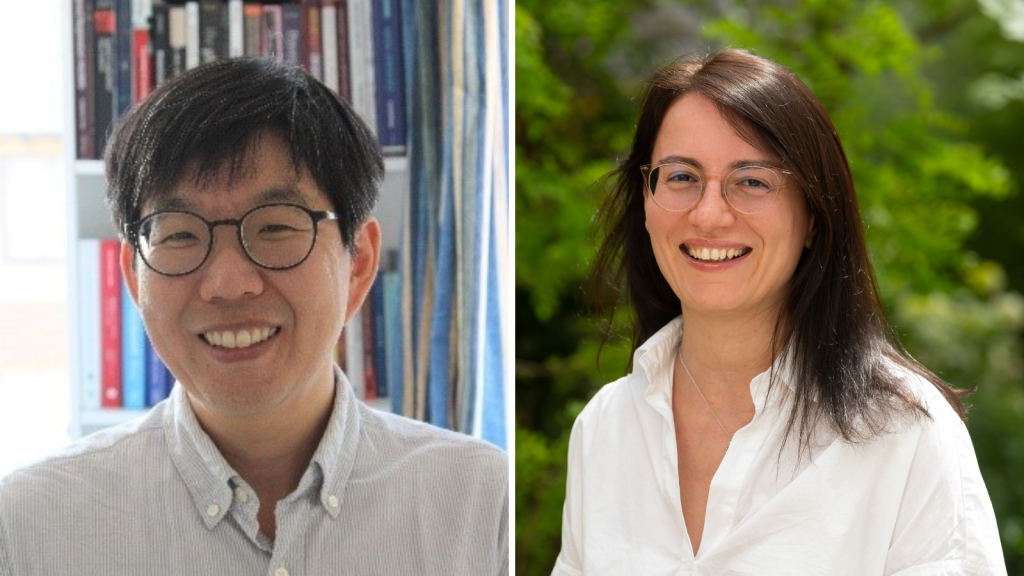 NewsInternational student mobility plays crucial factor in long term poverty reduction, paper showsSeptember 24, 2024
 -
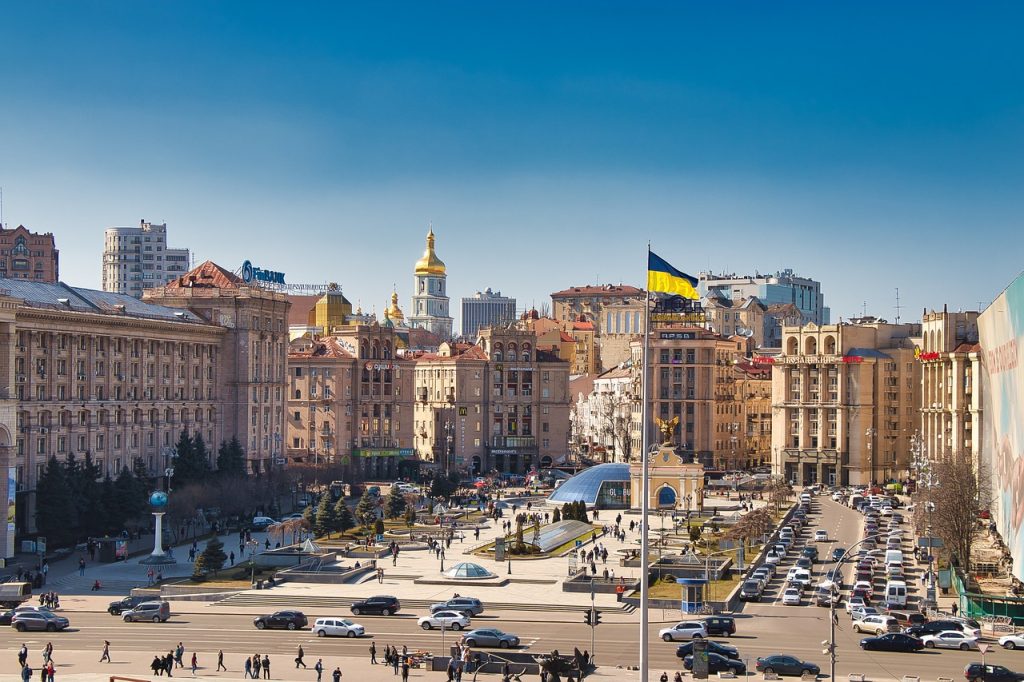 NewsUkrainian Higher Education in Times of War: Department marks International Day of Education with new seminar seriesJanuary 23, 2024
 -
 NewsNew Seminar series for Trinity Term: Global Public Seminars in Comparative and International EducationMarch 24, 2021
 -
NewsReport published today provides evidence on what influences EAL learners to mitigate language learning lossMarch 17, 2021
-
 MediaBildung am BildschirmMay 23, 2020
 -
MediaBeendet der Cambridge-Effekt das Studium im Hörsaal?May 23, 2020