





New report on early insights into Pupil Premium Plus Post-16 funding


The report, produced by Dr Georgia Hyde-Dryden and Professor Leon Feinstein in partnership with Cordis Bright, examines how Virtual Schools have implemented this funding since its national rollout.
Georgia said: “We are delighted to share this report showing the breadth of work undertaken by virtual schools using PP+ Post 16 funding and highlighting early signs of progress towards a range of outcomes. We are especially grateful to all those who have given their valuable time to contribute to the evaluation.”
Drawing on a mixed-methods approach including a national survey of Virtual School Heads, in-depth case studies across six local authorities, cost analysis and analysis of national datasets from 2018 to 2023, the evaluation provides one of the first comprehensive pictures of how PP+ Post-16 funding is being used in practice.
Key findings from the report include:
- Strong focus on direct support for young people: Most funding has been used to provide targeted support such as tuition, ESOL provision, wellbeing activities and interventions aimed at preventing young people from becoming not in education, employment or training (NEET).
- Encouraging early signs of progress towards intended outcomes: Perceived emerging outcomes reported by Virtual School Heads include increased retention in post 16, and smoother transitions into post-16 education.
- Better-informed pathways: Virtual Schools reported increased awareness among young people of education, employment and training (EET) options, alongside more appropriate course placements.
- Strengthened partnership working: The funding has supported closer collaboration between Virtual Schools, social care services and post-16 providers.
- Variation across areas: The report highlights differences in funding levels and approaches between local authorities, suggesting that implementation is not yet consistent nationally.
- Need for clearer direction and monitoring: To maximise impact, the report identifies a need for clearer policy intent and set of objectives for the funding, and stronger monitoring systems to support future evaluation.
Overall, the findings point to promising early progress, while also underlining the importance of continued development to ensure all young people benefit equally from the programme.
The full report is now available to read here.
Latest
-
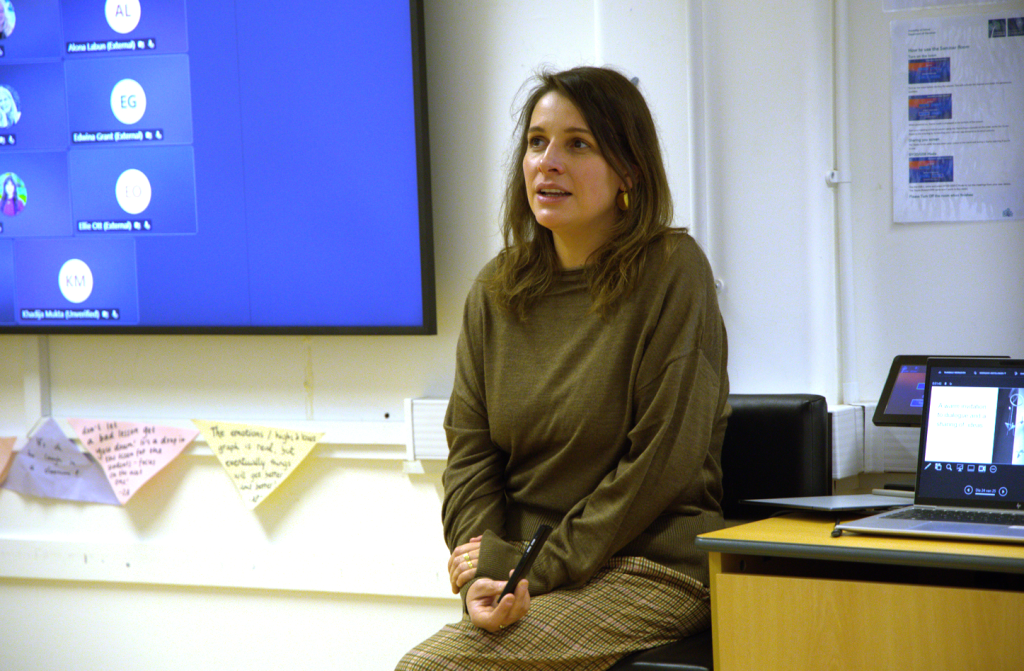 BlogRelational poverty perspectives: Reflections on a Rees Centre webinar from Caroline SpaasMarch 24, 2026
 -
 NewsRees Centre welcomes Dr Clive Diaz as senior academic leaderMarch 11, 2026
 -
 NewsChildren’s Information Project to host webinar on ethical and effective use of children’s informationFebruary 20, 2026