




Research highlights the challenges facing children and young people who go missing

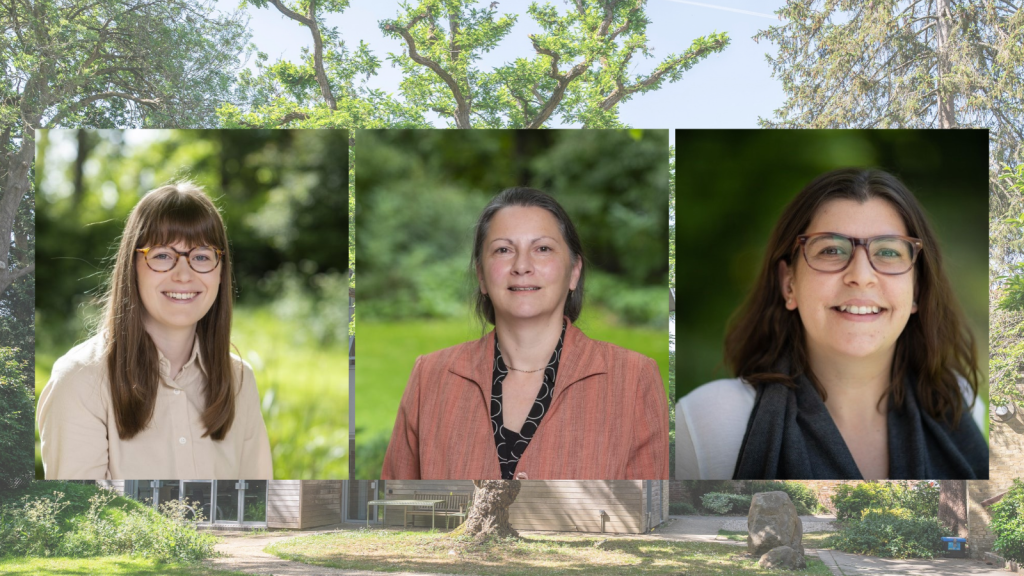
The research was led by Dr Birgit Larsson from the Centre for Research on Children and Families (CRCF) at the University of East Anglia (UEA), in collaboration with the Rees Centre.
Published in October 2026, Children and young people who go missing: pathways through education, social care, justice and health comprises a scoping review and a companion narrative literature review.
Together, the reports explore why children and young people go missing, the vulnerabilities and risks they experience, and how services can better support them.
Rees Centre researchers Alice Tawell and Ludivine Garside said: “Together, these reports highlight a mosaic of complex circumstances surrounding children going missing, and how responses align with priorities from services, young people and families.
“Further work is needed to understand how services work together and what combinations of support make a difference. We hope this research provides a foundation for more effective, coordinated and preventative responses.”
Vânia S. Pinto, Rees Centre associate and lecturer in social work at UEA, who led the data collection and narrative literature review for the project, said: “An important message from this research is the need to strengthen preventative responses, particularly by ensuring that the first missing episode prompts timely and meaningful support that addresses the circumstances contributing to a child or young person going missing. Early intervention may help prevent repeated missing episodes.
“Additionally, we need to gain a better understanding of the protective factors that reduce the likelihood of children and young people going missing in the first place, and how these can be strengthened across families, schools, and services.”
The scoping review draws on interviews and focus groups with professionals, parents and young adults with lived experience of going missing, exploring current safeguarding practices, challenges in multi-agency working and priorities for future research.
The accompanying narrative literature review brings together existing research on the circumstances surrounding missing episodes, their consequences and the effectiveness of safeguarding responses.
The findings highlight how missing episodes are often linked to interconnected challenges, including family conflict, mental health difficulties, instability in care placements and problems at school.
Drawing on national data, the literature review notes that children accounted for 65% of missing person incidents investigated by police across the UK in 2023/24.
Children in care are particularly overrepresented, accounting for almost a third of missing incidents involving children in England and Wales.
The role of education and care
Of particular relevance to the Rees Centre’s research, the reports highlight the strong connections between missing episodes and children’s educational experiences.
Poor school attendance, exclusion, bullying and unmet special educational needs frequently feature in the research reviewed.
The findings suggest that difficulties in education may contribute to children going missing, while missing episodes can further disrupt their engagement with school.
The research also identifies the importance of positive relationships, stable care environments and supportive educational experiences in protecting children from harm.
Across both reports, the researchers emphasise the need for greater understanding of how children’s experiences across education, social care, health and justice interact, alongside more effective information-sharing and coordinated safeguarding responses.
The reports identify important gaps in the evidence, particularly around repeated missing episodes, long-term outcomes and the effectiveness of interventions designed to prevent children going missing.
The scoping review also highlights challenges faced by professionals and families in accessing coordinated support and identifies priorities for future research.
This research was supported by Research Capability Funding from NHS Norfolk and Waveney Integrated Care Board (2025/26 allocation).
Read the reports:
Latest
-
 BlogSupporting foster families: lessons from a Norwegian visit to Oxford and the Rees CentreOctober 26, 2026
-
 NewsNew analysis highlights continued high rates of infant care proceedingsOctober 7, 2026
-
 BlogWhat does stability really mean for children in care?October 1, 2026