




SEND Case Officers and provision for children and families

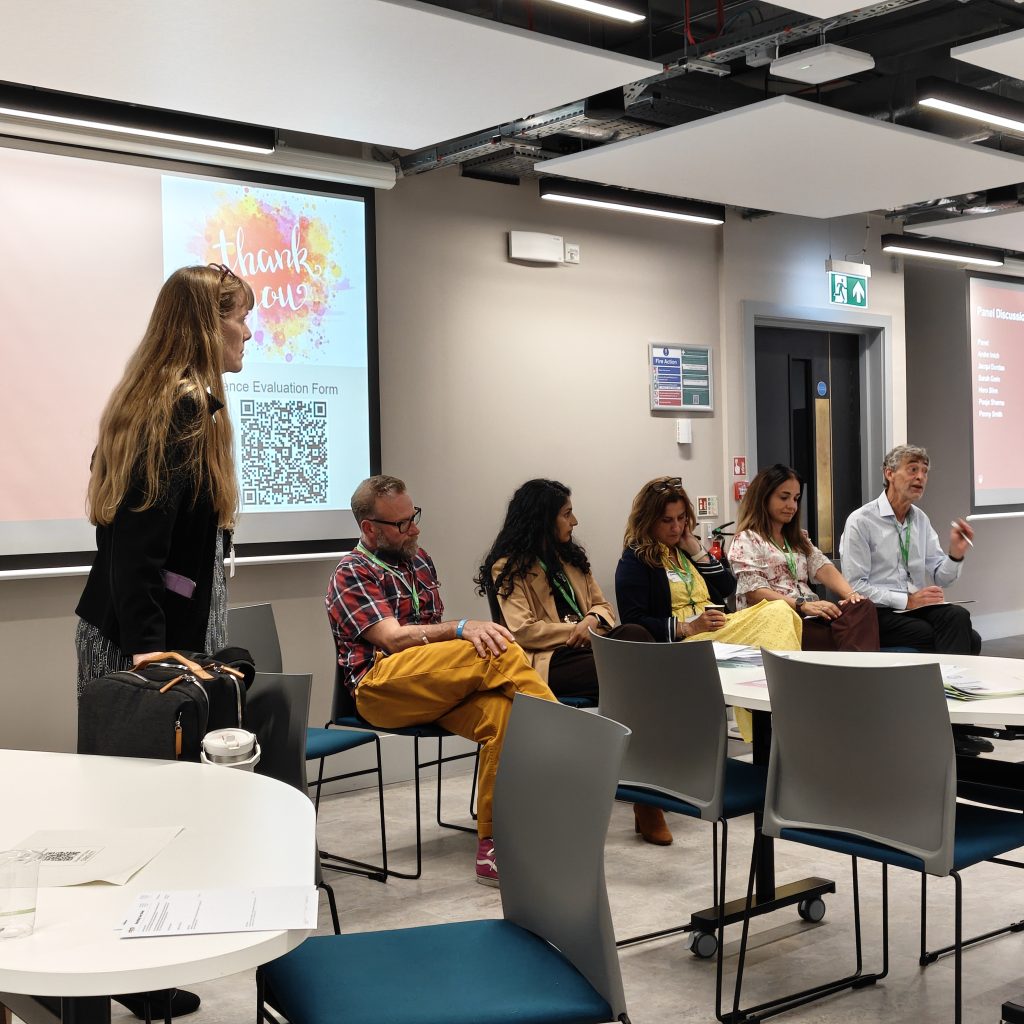
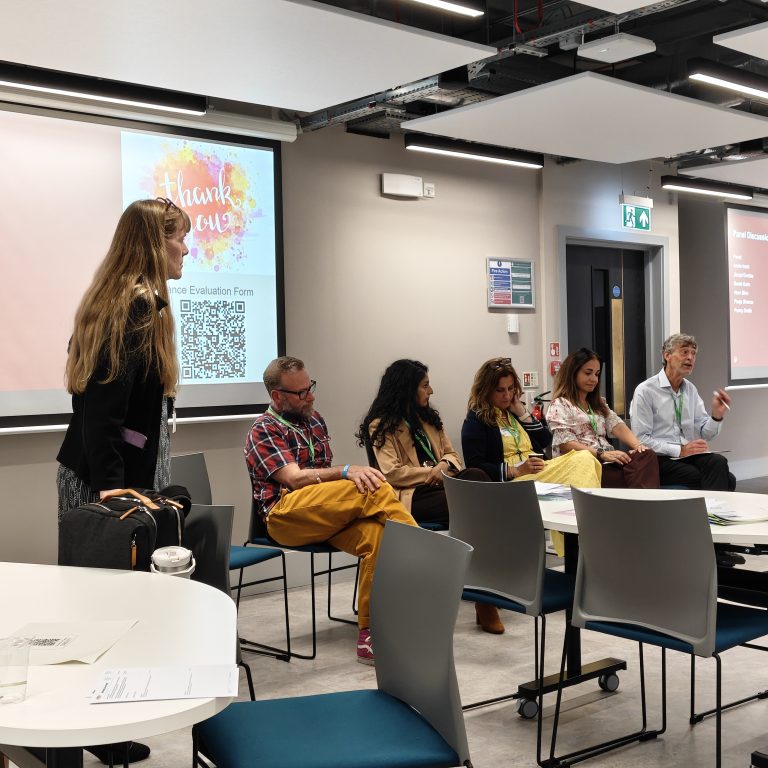
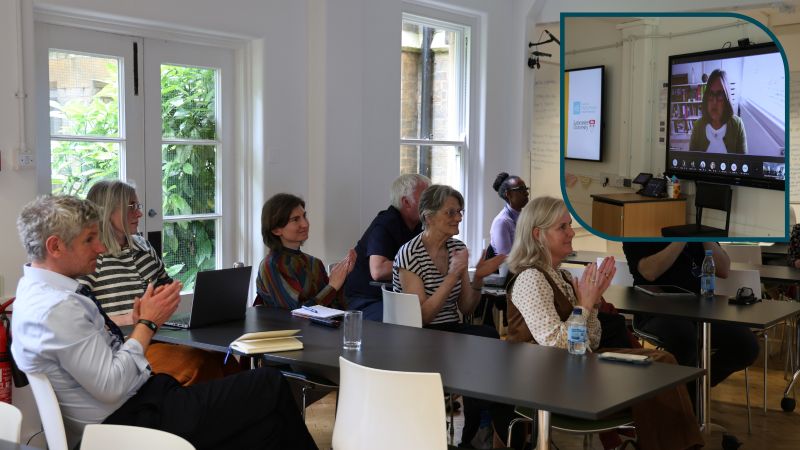
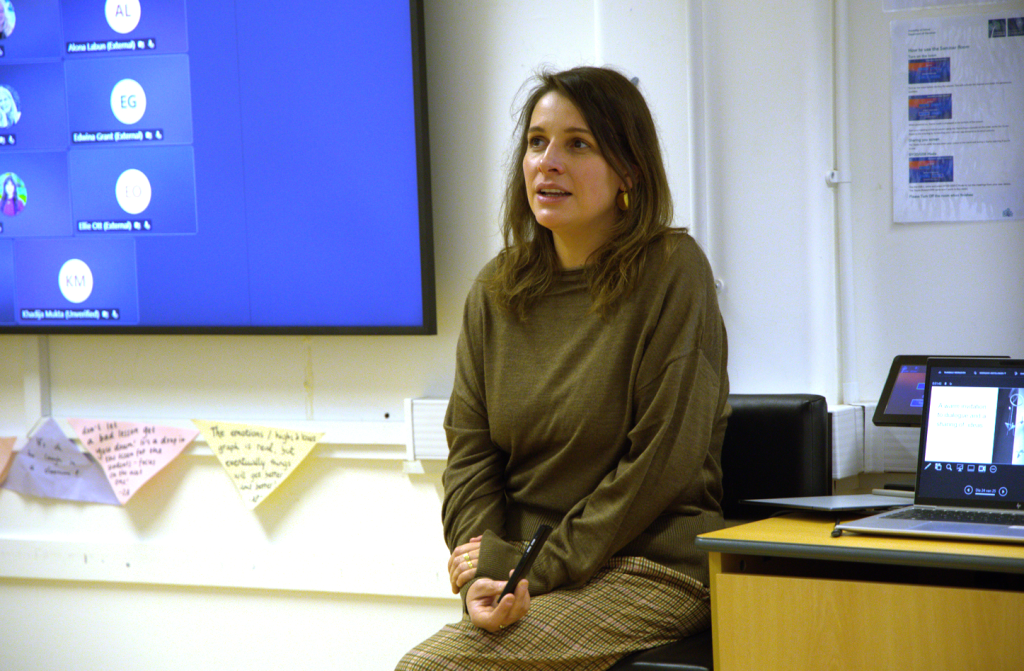
On 17 June, I was delighted to be asked to facilitate a workshop with Dr Penny Smith (University of Birmingham), at a conference for SEND Assessment and Review Teams. Penny and I drew on our research for What Works in SEND on system improvement to consider what this workforce needs to enable better provision for children and their families.
The conference was organised by Dr Tracy Laverick and held at Leeds Trinity University. This was the third conference Tracy has organised following her research with SEND Case Officers that highlights the complexity of the work they undertake and the considerable challenges facing this workforce.
Attending the conference were a team of SEND Case Officers and Managers from North East Lincolnshire who have contributed to this blog. In the blog we outline the Case Officer role, the main challenges and highlight the ways the team in North East Lincolnshire are seeking to overcome them, developing a strong and supportive team culture.
The role of SEND Case Officers
SEND Case Officers work within local authorities and co-ordinate statutory Education, Health and Care (EHC) assessments, draft and review EHC Plans and process information for SEND tribunals. They act as the primary point of contact for families and educational settings and manage a caseload of children and young people up to the age of 25.
The challenges of the role of SEND Case Officer
At the conference, a SEND Case Officer described her role as ‘invisible’ in the SEND system. Despite new DfE figures showing there are 718,838 children and young people with EHC Plans in England – 12.5% growth in the last year alone there has not been an equivalent growth in SEND Case Officers. In fact, their role was not referred to in the Schools White Paper earlier this year.
The conference highlighted the following challenges including:
- High and variable caseloads across local authorities – thought to be ranging from 150 to over 400 children per Case Officer in some local authorities;
- Lack of a national professional body and qualification to provide uniformity of training and education;
- Lack of national minimum standards or training/experience for Case Officers and nationally agreed job description;
- Little focus on these teams in SEND policy or guidance, and no mention of them in the SEND code of practice.
- No peer support network for SEND Case Officers providing an opportunity for shared experience and growth.
- High rates of agency staff and turnover of staff reported;
- Being accountable to families for multi-agency provision with little power to ensure professional input into assessments and plans;
- Concerns about staff well-being and mental health as a direct result of high caseloads and managing stressful relationships with parents and professionals.
- There are no consistent ways of organising SEND Assessment and Review teams in local authorities and no evidence about which structure produces the highest quality EHC Plans or the best outcomes for children and families. They may split the assessment and review functions, allocate Case Officers to a cluster of schools or allocate children to Case Officers as they are referred for assessment. Some local authorities are developing SEND specialised casework roles for those in care or receiving support from Virtual Schools.
Implication for children and their families
A key reflection from the day was that these challenges remain unresolved in the Schools White Paper. They are likely to contribute towards a lack of consistency in the workforce and have significant knock-on consequences for the ‘postcode lottery’ of provision received by families.
Moving forward
Despite this SEND Case Officers who attended our workshop were highly engaged in discussions about improving professional practice. In our research with SEND professionals, we have outlined the lessons learnt about conditions for improvement in the SEND system. Within these conditions is the need for local authorities to pay greater attention to developing a culture that provides SEND professionals with time across four identified ‘spaces’:
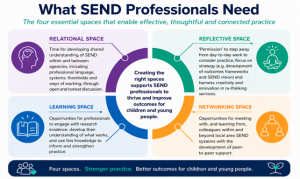
The team in North East Lincolnshire gave concrete examples of how they are developing a culture of belonging in their team through providing staff with time across these four spaces. For example, staff have opportunities to engage with evidence through training days, such as the conference and they attend together as a team, allowing building of relationships and promoting networking. They have also developed an intensive programme of induction for new staff members, that alongside training on writing EHC Plans, also gives them additional opportunities to learn and reflect together and shadow other staff members with different roles.
At the time of writing, the responses to the White Paper are under review. Over the next year changes will be made in law and a new SEND Code of Practice is anticipated. It remains unclear how the Specialist Provision Packages for children with more complex needs who require an EHC Plan will impact families and the work of SEND Case Officers and whether the government will address any of the workforce challenges outlined for SEND Case Officers.
Written by Dr Sarah Gorin.
Latest
-
 BlogUnderstanding children and families through linked data: Opportunities and evidenceJune 19, 2026
 -
 BlogSeeing the whole system: Data, evidence and trust in family justice by Professor Karen BroadhurstMay 28, 2026
 -
 BlogRelational poverty perspectives: Reflections on a Rees Centre webinar from Caroline SpaasMarch 24, 2026