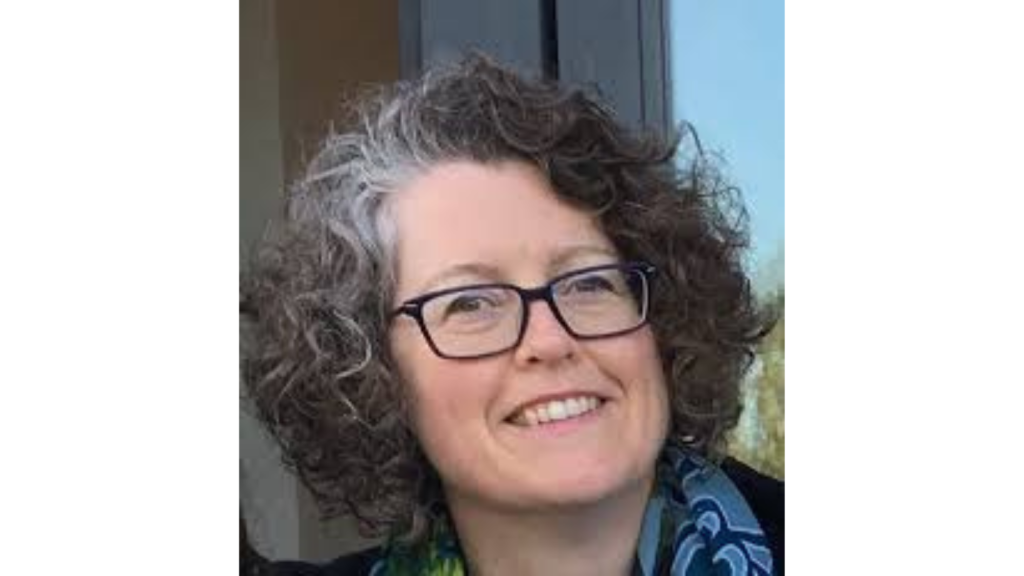
photo (c) John Cairns

Hilary Term 2026

Inaugural Lecture: Unravelling Early Self-Regulation – Professor Steven Howard

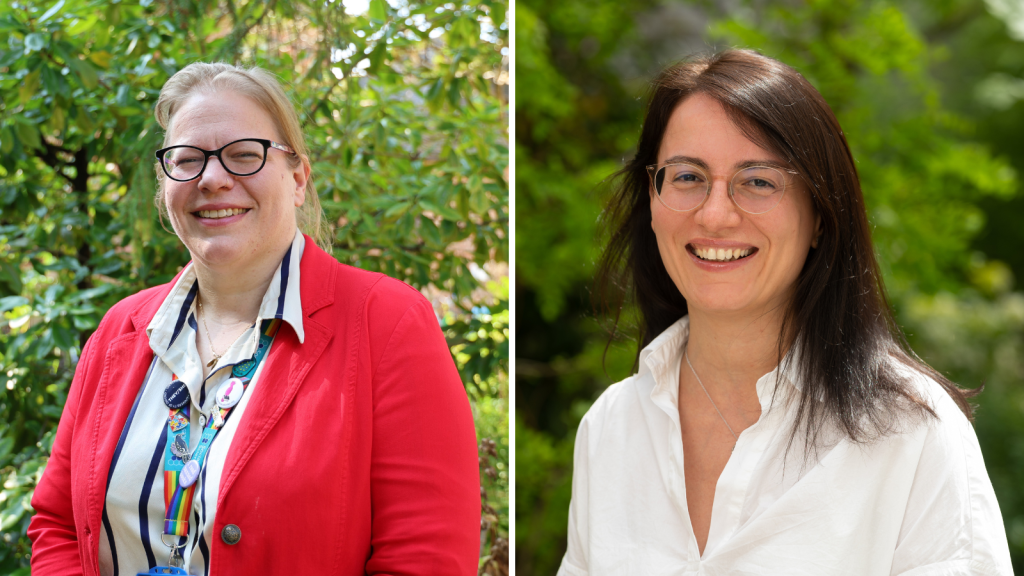
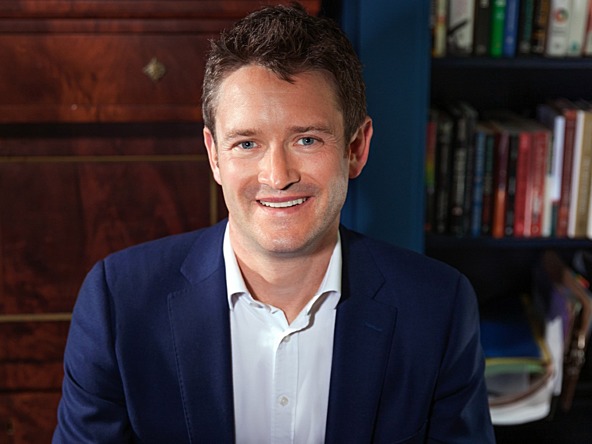
Professor Steven Howard (Senior Academic Research Leader in Child Development and Education)

26 January, 5pm – 6.30pm

Registration:

Register to attend online

Register to attend in-person


About the speaker:

Professor Steven Howard is a Senior Academic Research Leader in Child Development and Education with the Department of Education at the University of Oxford. He is a leading researcher of children’s self-regulation, executive function, and related abilities. He has published well-cited papers in leading journals regarding self-regulation and executive function meta-analyses and reviews, and on their development, antecedents, outcomes, intervention, and assessment.

Abstract:

Self-regulation enables important kinds of freedom for children: freedom from needing constant direction from others, from maladaptive impulses, and from unproductive distraction. A child adept at self-regulation can resist distractions, sustain their attention, persist with challenging activities, endure temptations, delay gratification, wait their turn, and consider the consequences of their actions. They can initiate (e.g., brushing their teeth) and cease behaviors (e.g., stop playing for lunch) that conflict with their immediate preferences or impulses.

Of concern, however, an estimated one-fifth of children do not show expected growth in self-regulation prior to entering school, and a significant proportion of children at age 7 remain at levels of self-regulation expected of 4-year-olds. Indeed, our (and others’) research and comprehensive meta-analyses show at least a doubling of risk of poor academic, health, wellbeing, and economic outcomes conferred by low early childhood self-regulation.

Importantly, self-regulation is malleable and any-cause improvements in childhood self-regulation are associated with better outcomes decades later. This has instigated a raft of diverse early intervention and education efforts aiming to stimulate the development of early self-regulation, yet most show small effects and few indicate that improvements transmitted to real-world outcomes. In short, we now understand enough about self-regulation to establish it as a priority target for education and intervention efforts from early childhood, yet not enough to meaningfully and reliably alter current trajectories.

This lecture will discuss some of the likely reasons for this situation and overview a broad program of research that aims to better understand the nature, development, and mechanisms of self-regulation, and the diverse contexts and ways in which we can support its continued growth.


Michaelmas Term 2025

Building Skills for Citizen Participation

Dr Joanne Caddy (Senior Analyst, OECD)

10 November, 5pm-6.30pm

Abstract

In a democracy, trust cannot be commanded – it must be earned by government and freely granted by citizens. Yet the latest OECD Survey of Drivers of Trust in Public Institutions shows that 4 out of 10 people in 30 OECD countries have low or no trust in government. Of equal concern are findings from the OECD Survey of Adult Skills which show that 20% of adults struggle to read simple texts and underscore the strong correlation between skills levels and political self-efficacy.

The significant share of adults who lack the skills to navigate complex digital information landscapes and who feel unable to influence political decisions is a major concern for modern democracies. Equally, governments’ inability to engage effectively with low skilled adults through citizen participation processes limits the evidence base on which public policies are designed. Bridging this gap will require concerted action on several fronts. The good news is that skills for citizen participation can be learned and that citizen participation in policy making itself builds valuable skills.

Drawing on insights from OECD comparative data, the seminar will invite participants to explore ways we can help people build skills for citizen participation in schools, at work and in their communities – as an essential element of democratic resilience and renewal.

Solving the SEND crisis: a public lecture about the Education Select Committee report

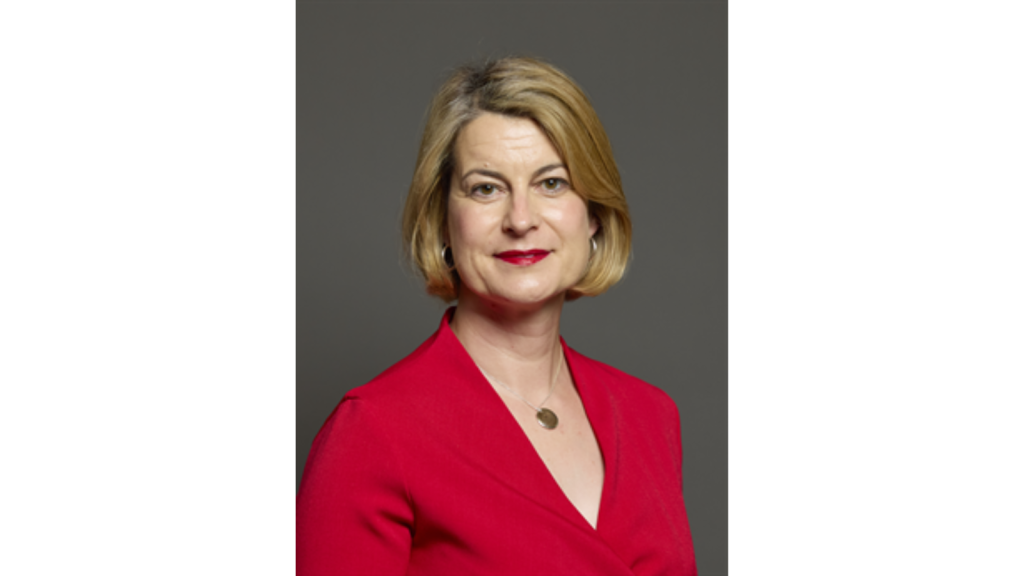
Helen Hayes MP (Labour Party Politician and Chair of House of Commons Education Select Committee)

3 December, 5pm – 6.30pm

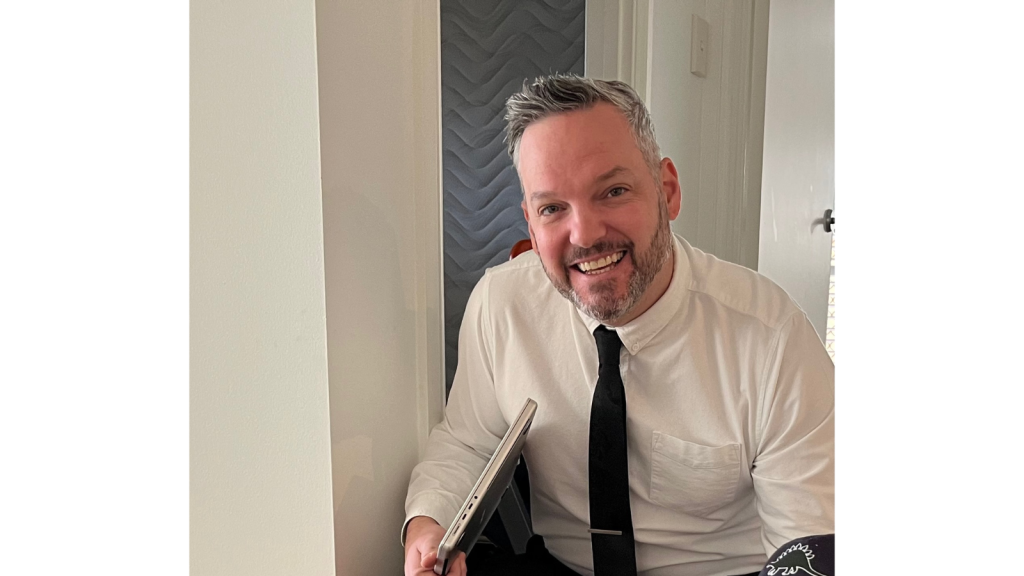
Chair: Andrew Webb (President of the Association of Directors of Children’s Services from 2012 to 2013 and chaired the Research in Practice partnership board for 10 years)

Registration:

Register to attend online

Register to attend in-person


About the Speaker

Helen Hayes is the Labour MP for Dulwich and West Norwood, first elected in 2015 and currently serves as Chair of the Education Select Committee. Before entering Parliament, Helen a councillor in Southwark from 2010 to 2016. Helen has previously served as a Shadow Minister for Education and has been a member of both the Housing, Communities and Local Government Select Committee and the Environmental Audit Committee.

Abstract

The lecture will be discussing the Education Select Committee’s recent report into Solving the SEND Crisis.