


First publication from Picture This project explores how visual literacy is understood in schools worldwide

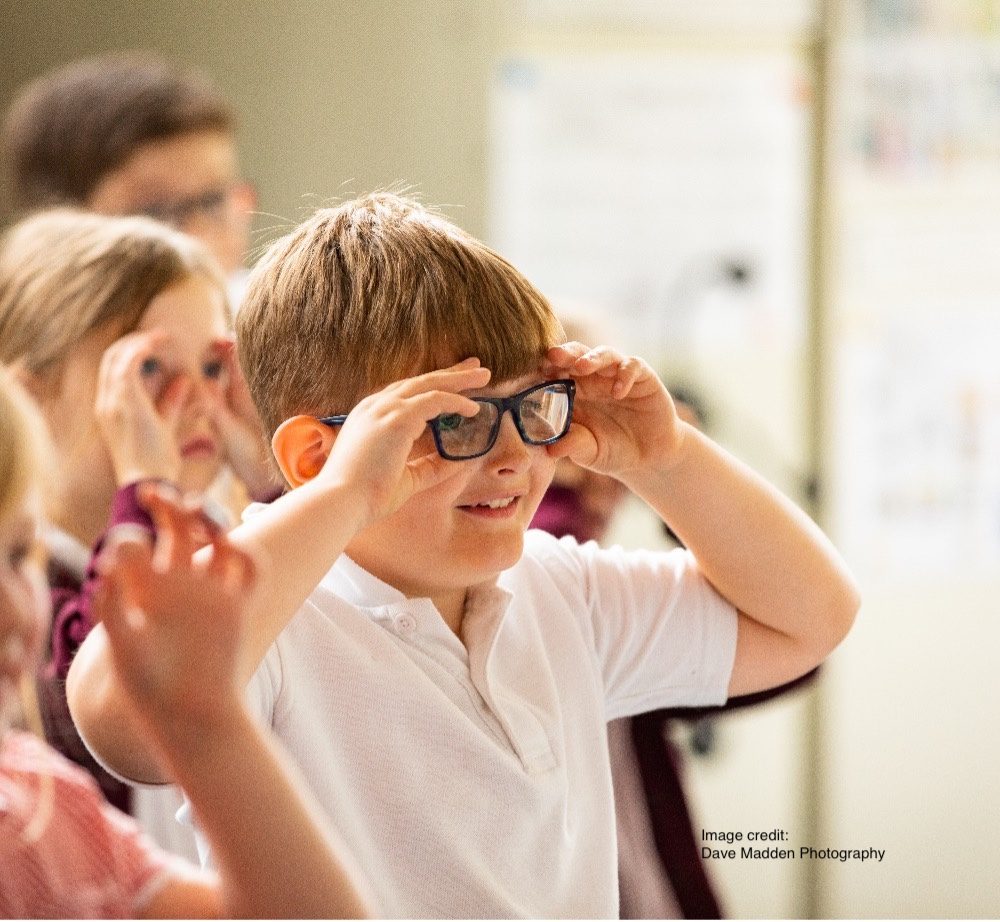
Published in Journal of Visual Literacy, the paper, Conceptions of visual literacy in school-age education: a systematic review, examines how visual literacy is understood, applied and assessed in educational settings.
Principal Investigator Ian Thompson said: “This systematic review found that whilst visual literacy is widely seen as important for school students, the use of the concept within research in school-age education lacks a clear definition.
“This suggests the importance of research that seeks to develop the critical development of visual literacy and establish a validated measure of visual literacy for school-age learners.”
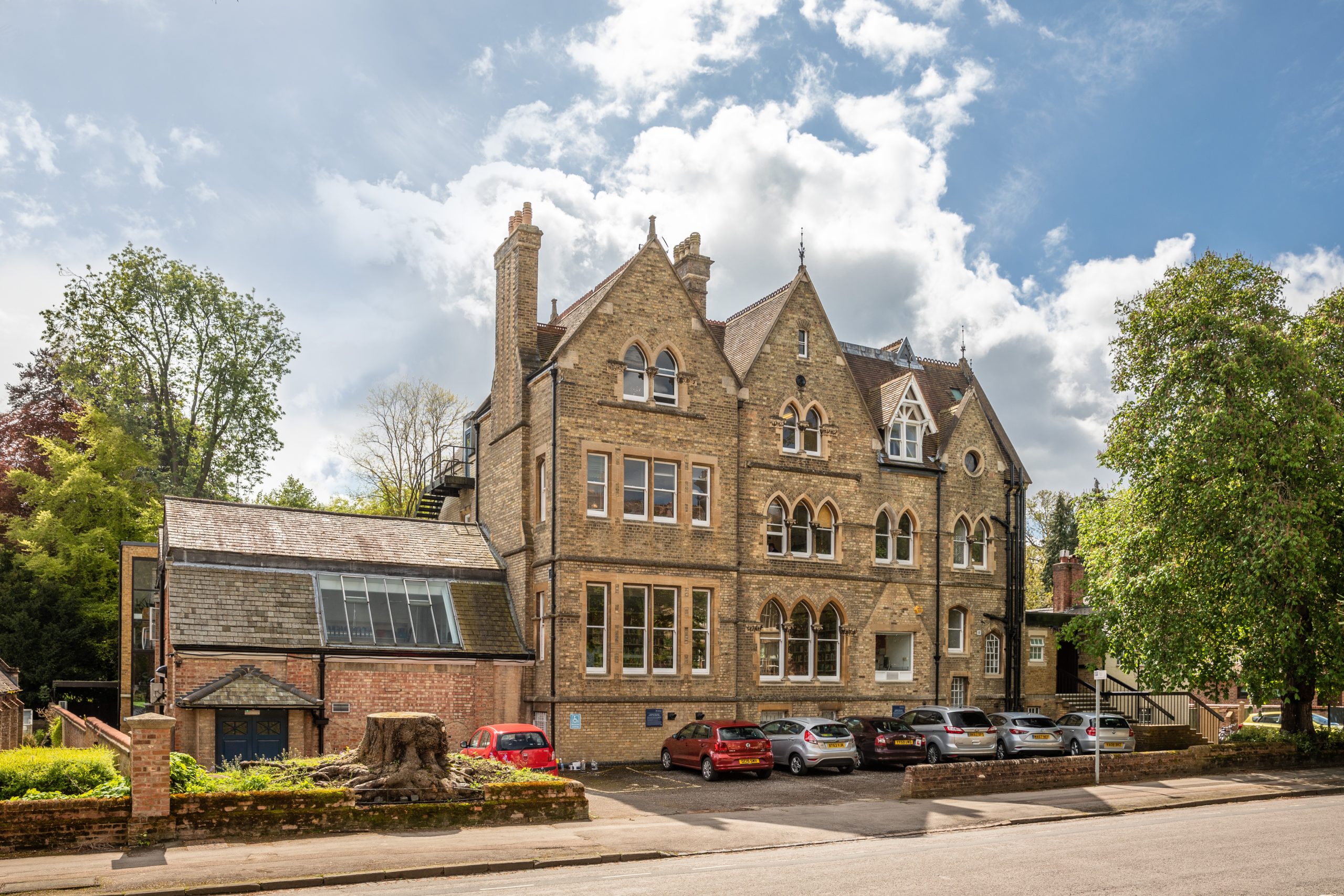
Picture This: The Robson-Orr Visual Literacy Research Initiative is a collaboration between the University of Oxford’s Department of Education and Oxford University Gardens, Libraries and Museums (GLAM), funded by the Robson-Orr Foundation.
GLAM Engagement and Learning Manager Neil Stevenson and Engagement and Learning Officer Kate Mervyn Jones said: “The Engagement and Learning Team from the Bodleian Libraries is delighted to be collaborating with the University’s Department of Education on this vital visual literacy initiative.
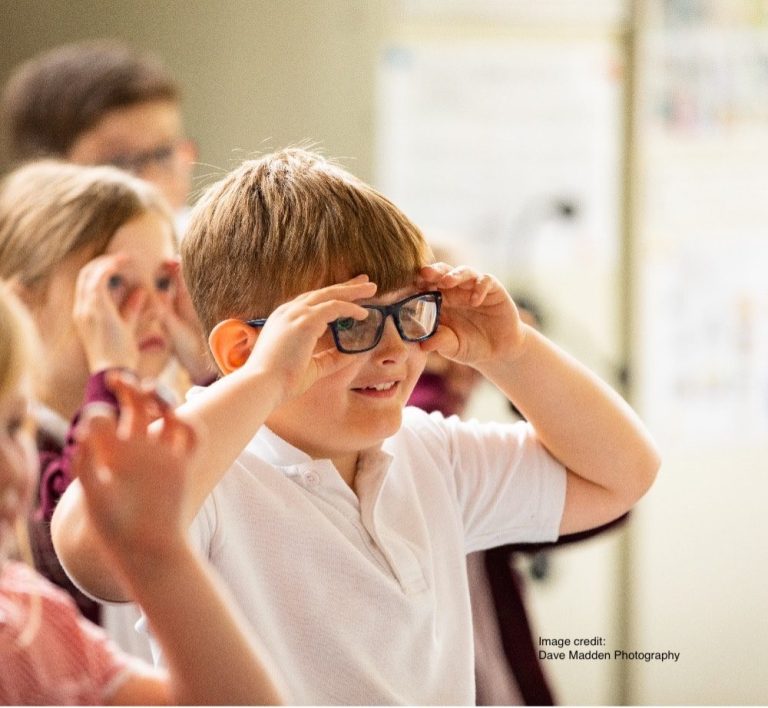
“Using artwork from the Government Art Collection’s Ten Ten project the team have been leading workshops in primary schools and exploring visual literacy through critical observation, interpretation and creative thinking.
“As well as providing valuable insight into the impact on pupils of developing visual literacy, the project engages children with direct access to an original piece of art in their classroom, which, with increasing barriers for schools to visit museums and galleries, is hugely valuable.”
The initiative explores how young people engage with visual materials and how visual literacy can support learning in an increasingly image-rich world.
The new publication draws on evidence from 34 empirical studies conducted across 21 countries, focusing on school-age learners between the ages of four and 18.
Through a systematic review of the literature, the researchers sought to better understand how visual literacy is conceptualised within educational research and practice.
The review found that while visual literacy is widely recognised as an important skill, there is currently no single, agreed definition or framework guiding its use in schools.
Instead, the concept is applied in a range of ways depending on educational context, subject discipline and research tradition.
Researchers identified three overlapping strands that shape current understandings of visual literacy:
• Interpretation and understanding of visual materials, such as images, artworks and diagrams
• Creation and communication through visual forms
• Critical practice, including the ability to analyse visual culture, power, persuasion and ideology
The findings suggest that visual literacy functions on multiple levels and is highly context dependent.
The review also highlights considerable variation in the methods and tools used to assess visual literacy, alongside a lack of widely adopted measures that are theoretically comprehensive, developmentally sequenced and validated across different educational contexts.
The authors conclude that further research is needed to strengthen the conceptual foundations of visual literacy within school-age education.
They argue that clearer frameworks and assessment tools could help establish visual literacy as an important educational construct across subject disciplines.
The paper also highlights the growing relevance of visual literacy beyond the classroom. As young people navigate social media, advertising and increasingly visual digital environments, the researchers suggest that visual literacy may serve as an important protective skill, helping learners critically evaluate the images and messages they encounter every day.
The publication marks the first research output from the Picture This initiative and lays the groundwork for future studies exploring how visual literacy can be fostered, measured and applied within educational settings.
Latest
-
 NewsDr Jason Todd contributes to UNESCO programme on teaching violent pasts in CambodiaOctober 8, 2026
 -
 Staff StoriesBe brave, be bold: Kathy Sylva on following curiosity and teamworkOctober 1, 2026
 -
 BlogLooking back to look forward: what sixth form students remember learning, and wanted to learn, about climate and net zero in KS3September 30, 2026