

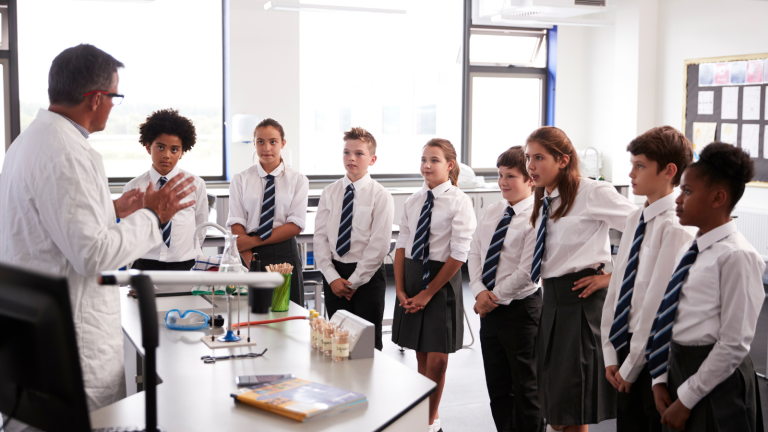
PISA 2025 results reveal UK students’ knowledge of science, reading and maths

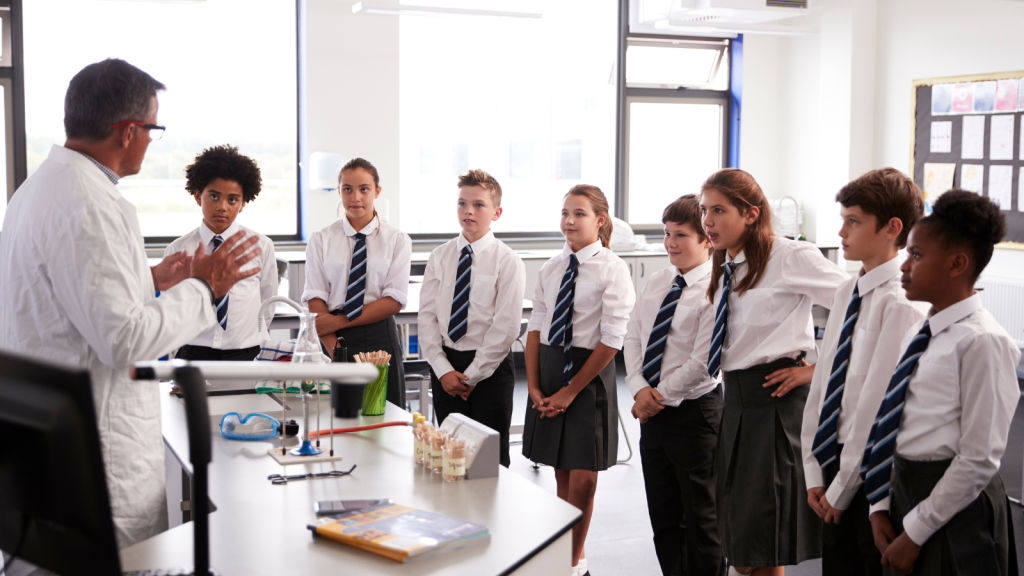
Results from the 2025 Programme for International Student Assessment (PISA) have been released today [8th September], showing how 15-year-old students around the world are performing in science, reading and mathematics. The PISA study is run every three years, with the 2025 cycle focusing on science.
PISA is run internationally by the Organisation for Economic Co-operation and Development (OECD), and the 2025 study was delivered in England, Wales and Northern Ireland by Pearson. Dr Grace Grima, the Director for International Large Scale Assessments at Pearson was the National Programme Manager for PISA 2025 in these three countries. The analyses of the assessments and context questionnaires were conducted by the University of Oxford’s Department of Education and the UCL Institute of Education, with Professor Jenni Ingram and Professor Mary Richardson as co-Principal Investigators.
Results
Pupils in England and Northern Ireland scored above the international average in science, reading and maths, while pupils in Wales scored below average in science and maths and not significantly differently from the international average in reading.
Trends over time
Pupils in England improved in science since the last PISA round in 2022, and were stable in reading and maths. This contrasts with the international trend of OECD countries, where performance was broadly stable in science but declined in reading and mathematics.
The average science scores in Northern Ireland and Wales in 2025 were not significantly different from the scores in 2022, which follows the international trend.
In all UK countries, the average reading score in 2022 was not significantly different from the score in 2025, contrasting with the international OECD trend of a decline in performance in reading.
In mathematics in Northern Ireland and England, the scores remained stable, bucking the international trend of a decline in maths scores, whereas Wales followed the international trend with the average score decreasing significantly between 2022 and 2025.
Gender and socioeconomic differences
The results show a significant widening of the gender gap in science in England between 2015 and 2025. Girls’ science performance in England has been stable over the last four PISA cycles, while boys’ science scores in 2025 were significantly above the scores in 2018 and 2022.
For reading, gender differences in PISA 2025 were consistent across UK countries with girls achieving significantly higher average scores than boys. In England, the significant gap in reading scores between girls and boys has been persistent, but has narrowed over time from 23 points in 2015 to 11 points in 2025.
There were no significant differences between the average mathematics scores for girls and boys in Northern Ireland in 2025, while in England and Wales there was a significant gender gap favouring boys.
As in previous cycles, pupils from less disadvantaged socioeconomic backgrounds performed better than their peers from more disadvantaged backgrounds across all domains and all countries.
Professor Jenni Ingram (Department of Education, University of Oxford), lead author of the England report, said: “It’s great to see pupils in the UK doing so well in science, reading and maths. Congratulations and thanks to the pupils and teachers whose hard work sits behind these results. There is much to celebrate but also plenty to think about. Gender gaps are widening in some subjects, prompting wider questions about what more we can learn from this study that can inform policy and practice. ”
Professor Mary Richardson (UCL Institute of Education), lead author of the Wales and Northern Ireland reports, said: “Despite the international trend of declining performance in reading, we found 15-year-olds in England, Wales and Northern Ireland to be reading just as well as they were in 2022. In science and maths, we also saw good performances, particularly for pupils in England and Northern Ireland, where scores were above the international average.”
“The data from today’s PISA rankings are a useful tool for policymakers and educators alike. These findings can be valuable in informing key issues in education policy with a view to supporting all young people to reach their full potential.”
The full reports for England, Northern Ireland and Wales can be found on the following websites: Department for Education (England), Department of Education (Northern Ireland), Welsh Government (Wales) in English and Cymraeg, with details of the full team of people involved in the production of these reports.
Latest
-
 BlogTogether for Developmental Language DisorderOctober 13, 2026
 -
 NewsBritish Academy International Fellowships 2027: Expressions of Interest invitedOctober 12, 2026
 -
 NewsAnnual Report 25/26: Research and teaching highlights of the yearOctober 12, 2026