




The Automated Test of Language AbilitieS – ATLAS
The Project
We have developed a short, but reliable, oral language assessment for children (The Automated Test of Language AbilitieS – ATLAS), which comprises 4 subtests (expressive vocabulary, receptive vocabulary, sentence repetition and listening comprehension). The test has been developed as an App, running on a tablet, designed to be administered by teachers or teaching assistants. The App can be administered in under 10 minutes and scoring is automated via a secure website. In this project we will collect data from a nationally representative sample of 1000 children aged 3 to 7 years (250 children in each of 4 year groups from Nursery to Year 2) to derive age norms for the test. We will validate the App scores in a random sub-sample against well-standardized tests of language function (recalling sentences and expressive vocabulary subtests from CELF Preschool-2: Wiig, Secord, & Semel, 2004).
We will also collect data on an App based nonword repetition test based on The Grammar and Phonology Screening test (GAPS: Van der Lely, Gardner, McClelland, & Froud, 2007).
Research Team

External Team
More Projects
-
How child development shapes the building of social connections and communities onlineMarch 2026 - June 2026The digital world can cause much controversy when it comes to children and young people: when, how and what should they have access to, why do they seek connection online and who is responsible and accountable for their safety?
-
Maximising the Benefits of Intervention Research for Children with and at risk of Developmental Language Disorder (DLD)December 2023 - November 2027Developmental Language Disorder (DLD) is one of the most prevalent neurodevelopmental conditions, affecting around 8% of children aged 5–6 years.
-
Pupil interactions and networks in special schoolsSeptember 2024 - August 2025This project will work with three secondary special schools to collect peer network data to better understand positive and negative interactions between special school pupils.
-
Feasibility trial of an adapted anti-bullying programme for children in special schoolsOctober 2024 - September 2026This project will work with eight special schools to conduct a feasibility randomised controlled trial of anti-bullying programme KiVa-SEND.
-
Effects of Education Endowment Foundation interventions on protection from COVID-19 learning lossOctober 2024 - March 2025This project investigates whether and to what extent Education Endowment Foundation interventions had protective effects against learning loss due to COVID-19 disruption.
-
LangQuest-EY: A self-report educator questionnaire to assess confidence in language supporting practices in early years settingsJuly 2023 - March 2024Download the LangQuest-EY questionnaire for early years educators to report on their confidence in using language-supporting strategies.
More News
-
NewsNew definition for bullying released to better support pupils and schoolsMay 8, 2025 -
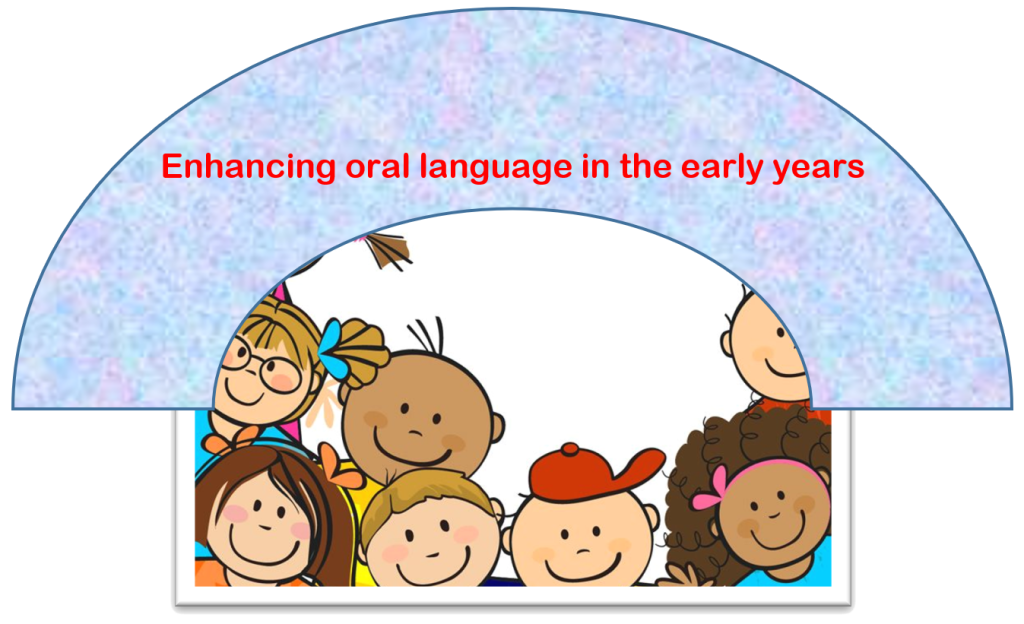
NewsNew trial will evaluate Talking Time programme for Early Years practitionersJanuary 25, 2024 -

NewsReport published today provides evidence on what influences EAL learners to mitigate language learning lossMarch 17, 2021 -

MediaProfessor Edward Melhuish in a TRT World Roundtable discussion on the return to schoolAugust 31, 2020 -
NewsPutting children first: sharing research evidence to inform Indian education policy and practiceAugust 11, 2020
Project Details
Research Team
External Team
More Projects
-
How child development shapes the building of social connections and communities onlineMarch 2026 - June 2026The digital world can cause much controversy when it comes to children and young people: when, how and what should they have access to, why do they seek connection online and who is responsible and accountable for their safety?
-
Maximising the Benefits of Intervention Research for Children with and at risk of Developmental Language Disorder (DLD)December 2023 - November 2027Developmental Language Disorder (DLD) is one of the most prevalent neurodevelopmental conditions, affecting around 8% of children aged 5–6 years.
-
Pupil interactions and networks in special schoolsSeptember 2024 - August 2025This project will work with three secondary special schools to collect peer network data to better understand positive and negative interactions between special school pupils.
-
Feasibility trial of an adapted anti-bullying programme for children in special schoolsOctober 2024 - September 2026This project will work with eight special schools to conduct a feasibility randomised controlled trial of anti-bullying programme KiVa-SEND.
-
Effects of Education Endowment Foundation interventions on protection from COVID-19 learning lossOctober 2024 - March 2025This project investigates whether and to what extent Education Endowment Foundation interventions had protective effects against learning loss due to COVID-19 disruption.
-
LangQuest-EY: A self-report educator questionnaire to assess confidence in language supporting practices in early years settingsJuly 2023 - March 2024Download the LangQuest-EY questionnaire for early years educators to report on their confidence in using language-supporting strategies.
More News
-
NewsNew definition for bullying released to better support pupils and schoolsMay 8, 2025 -
NewsNew trial will evaluate Talking Time programme for Early Years practitionersJanuary 25, 2024 -
NewsReport published today provides evidence on what influences EAL learners to mitigate language learning lossMarch 17, 2021 -
MediaProfessor Edward Melhuish in a TRT World Roundtable discussion on the return to schoolAugust 31, 2020 -
NewsPutting children first: sharing research evidence to inform Indian education policy and practiceAugust 11, 2020