
Why did you decide to study the MSc Teacher Education course at the University of Oxford?
I had recently started working as a teacher educator at a university and was looking to complete a master’s degree. I was struck by the direct relevance of this programme to my role, the expertise of the tutors and the opportunity to be part of a globally leading university and department.
What was your full-time job during your MSc Teacher Education?
Senior Teaching Fellow in Primary Education – I was (and still am) a university-based primary education teacher educator.
What did you particularly like about the course?
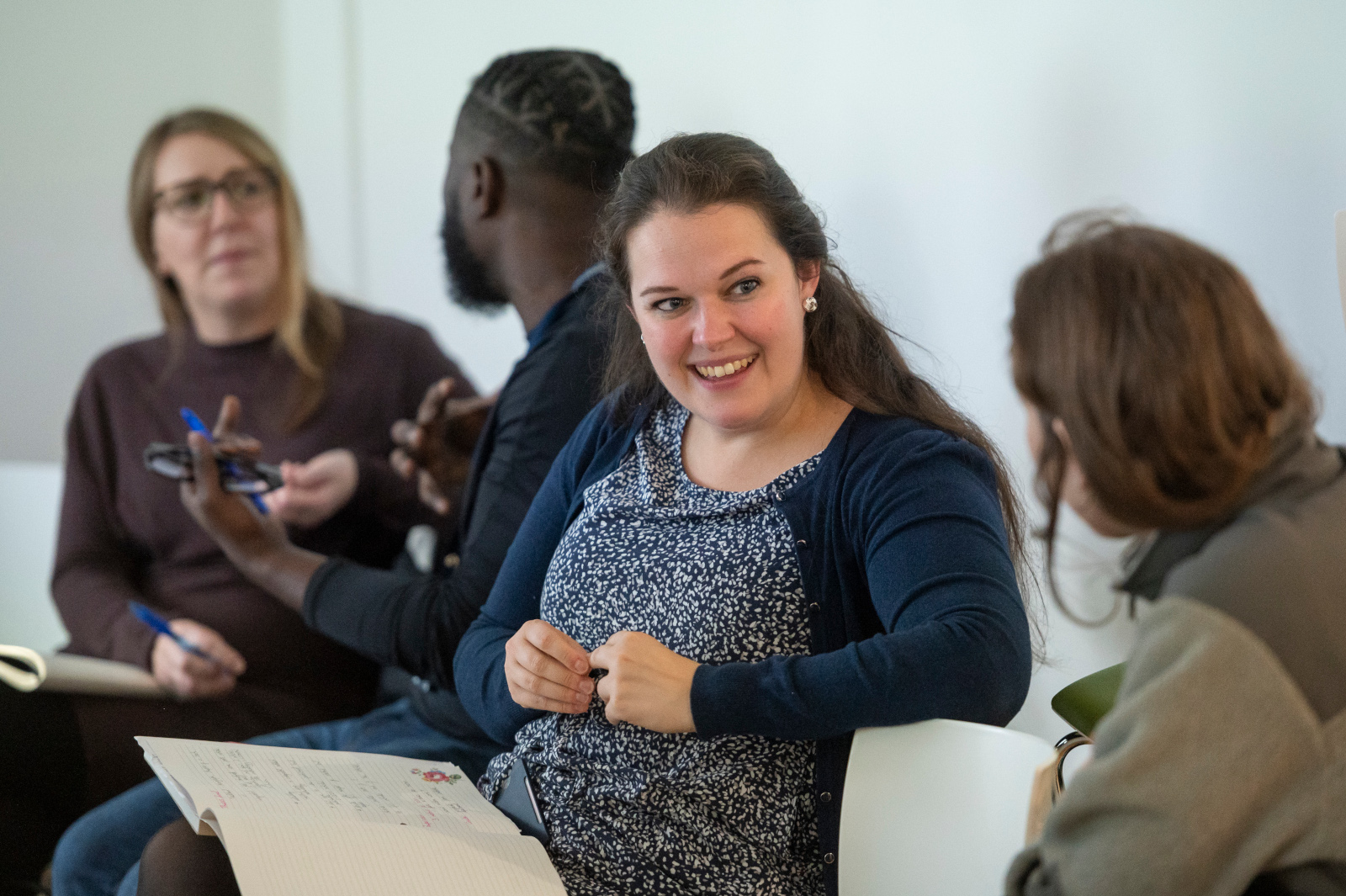
The residential weeks were fantastic. The sessions were very interesting and, as time went on and I learned more about how teachers learn, a direct model of what excellent practice in teacher education looks like. I enjoyed the regular group online sessions in the first year where we were able to explore and develop ideas in conversation with our peers and tutors. I also deeply valued my supervision during the dissertation phase. The sessions were supportive but also very challenging. I learned a huge amount.
How has studying the course helped with your professional development?
Immeasurably. The course had an immediate, significant and ongoing impact on my work as a teacher educator. It challenged me to see teacher learning very differently, equipped me with new ways of thinking about teacher learning and has led to me redesigning virtually all the learning I am responsible for. The impact has been very wide ranging, helping me to think differently about all aspects of my work, from the classroom sessions I teach, to the way I design my curriculum, the way I work with school based mentor colleagues and the training we provide to them. It has helped my professional development as a new and emerging academic, enabling me to begin working on research projects in my department and start working on a new book.
What do you most value about the teaching at the Department?
More than anything, I valued the opportunity to study under recognised experts in the field. Something that kept coming through over and over throughout the whole programme was the incredible depth of knowledge the tutors have about how teachers learn, born of both long experience working in the field themselves and from their research.
What is the community (students & staff) like at the Department?
Incredibly friendly, supportive and kind. I really valued how thoughtful the tutors were about the reality of studying for a masters while working full time. They really thought about and took account of the demands of the programme and what was realistic and most valuable. My fellow students were equally welcoming and friendly and we all remain in touch today. There were no pretensions, everyone was there to learn and everyone participated – I think that was something that really supported the learning, the relationships and the way we all worked together as students and tutors. The student community was really diverse, with teacher educators from around the world, from different age phases, school-based, university-based and even people from the private sector. That diversity was such an important source of learning. It really helped us to look at things differently, to challenge assumptions and interrogate what we think we know.
What advice would you give to new students who are about to start the course?
Enjoy it! It goes by so fast and despite all the hard work – I really missed it when it was over. Be organised and plan ahead. It is a lot to work full time and study too, but it is absolutely possible and even enjoyable if you plan ahead and organise your time carefully.
What is your favourite memory of studying at the Department?
Truthfully, in terms of study, my supervision meetings during the dissertation phase. I enjoyed the dissertation so much, being able to go really deeply into something I found interesting. I loved getting together with my supervisor, explaining my thinking and my learning and then having her really challenge me to think more deeply, challenge my assumptions, see the things I had missed. That opportunity to sustain deep thinking and enquiry alongside a real expert was such a joy and a privilege. Away from study, I also had some really fun times with my fellow students – an impromptu tour of Oxford organised by our resident expert in the vagaries and peculiar history of the University was a particular highlight!
The residential weeks were fantastic. The sessions were very interesting and, as time went on and I learned more about how teachers learn, a direct model of what excellent practice in teacher education looks like.