Dr Jason Todd contributes to UNESCO programme on teaching violent pasts in Cambodia

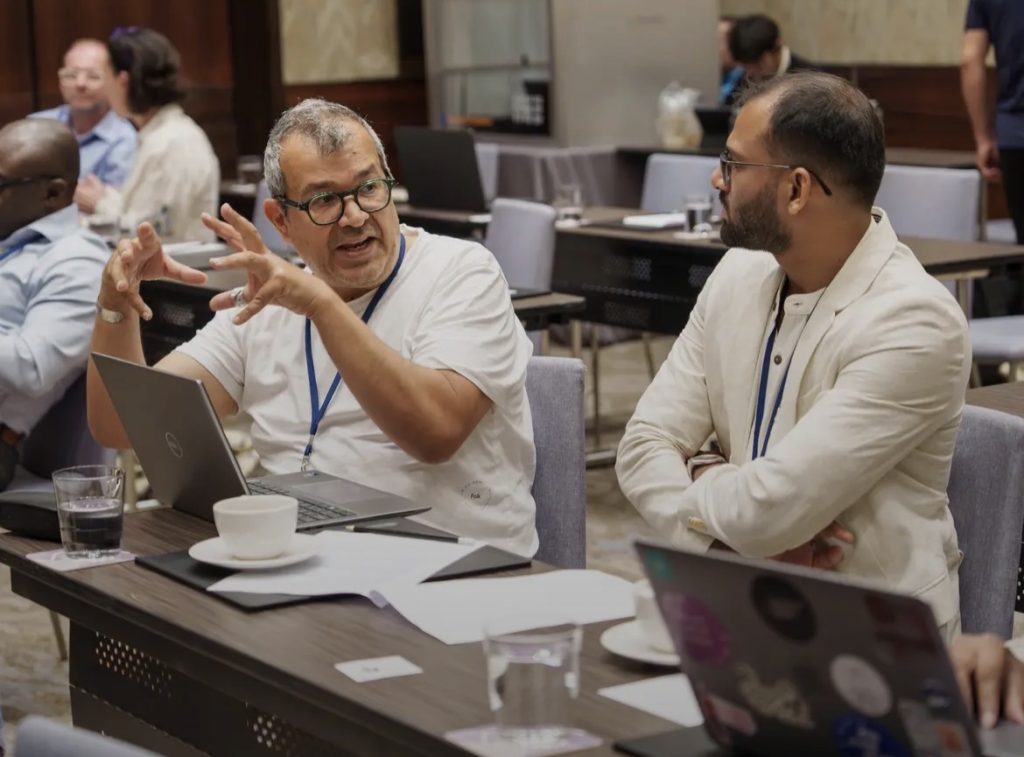
Dr Jason Todd recently travelled to Phnom Penh, Cambodia, to contribute to an international UNESCO programme exploring how education can address violent and difficult pasts.
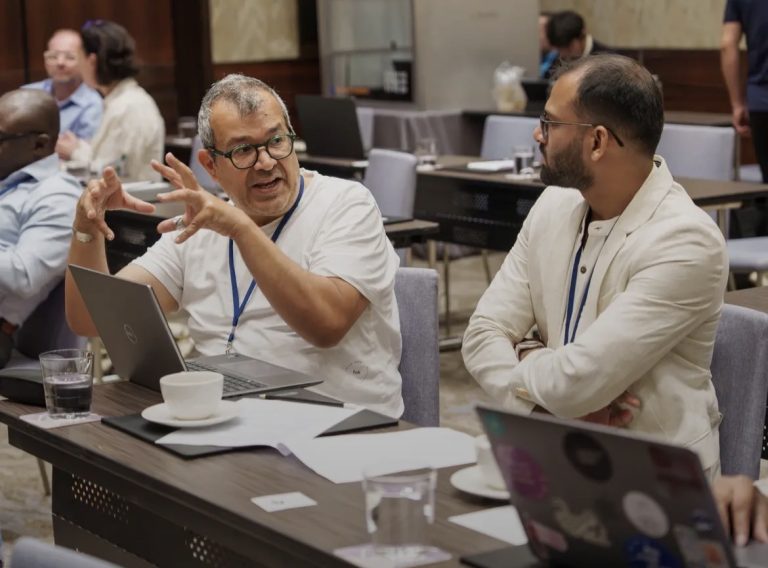
The four-day programme brought together education policymakers, researchers, teacher educators and practitioners from a range of countries and educational contexts. It included work at the Tuol Sleng Genocide Museum and Choeung Ek Genocidal Center.
Jason’s contribution explored what teachers need in order to teach violent and difficult histories with confidence, care and historical integrity, drawing on the PortraitEMB research into teaching the British Empire, migration and belonging, and his work designing TRACTION (Teaching Race, Belonging, Empire and Migration), a platform supporting teachers through training, resources and a community network.
During the four days, Jason spoke about the importance of historical knowledge and educational purpose, teachers’ and pupils’ existing interpretive frameworks, the role of emotion and reflexivity, and the wider networks of schools, museums, archives, communities and other sites through which historical understanding develops.
Reflecting on the experience, Jason wrote:
“Cambodia also made me look back towards Britain. In Cambodia, making the past available to be known was visible in sites, archives, museums, memorial practices, education programmes and in the people sustaining them.
Britain’s imperial past feels differently distributed. Its traces sit across schools, archives, museums, family histories, migration stories, buildings, monuments, literature, television, social media and political language. Some are highly visible; others are remarkably easy not to see or deliberately hidden.
I have started to think of this as an ecology of learning and meaning-making: a wider public historical consciousness shaped not only by knowledge, but by identity, emotion, authority, silence and power. Schools matter enormously, but they sit within something larger.
So perhaps the question I brought home is no longer only: How can we teach Britain’s difficult pasts better? But: What would it mean for a society to become better able to live knowingly with them?”
The visit also provided opportunities to learn from Cambodian colleagues and from international participants working with very different histories of violence, memory and education.
Latest
-
 Staff StoriesBe brave, be bold: Kathy Sylva on following curiosity and teamworkOctober 1, 2026
 -
 BlogLooking back to look forward: what sixth form students remember learning, and wanted to learn, about climate and net zero in KS3September 30, 2026
 -
 NewsLead the future of AI in education with our new Postgraduate DiplomaSeptember 22, 2026