

Authors: Natalie Waters, Cecilia Zuniga-Montanez and Cristina McKean
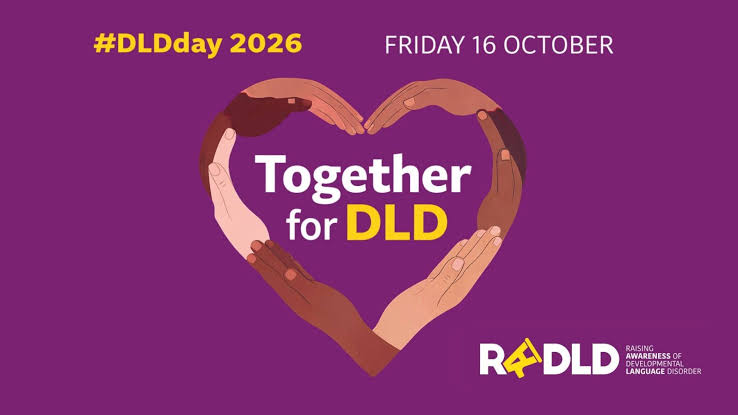
Friday 16 October is Developmental Language Disorder (DLD) Awareness Day. DLD affects how people use and process language including understanding what others say and expressing ideas and feelings. This year’s theme Together for DLD, focuses on how working together can bring the best outcomes for people with DLD. This prompted us to reflect on the importance of collaboration in research aiming to find ways to support people with DLD.
In The Intervention Consensus for Language Disorders Project (TICLD) we are collaborating internationally, with researchers and practitioners from seven countries (UK, Ireland, Finland, USA, Austria, Croatia, Australia) and also with those with lived experience of DLD: children, young people and adults with DLD and their families. In the UK, the University of Oxford is leading a component of this international work.
Working together allows us to ask if what we know about DLD reflects the diversity of children’s experiences and circumstances. Collaborating across different countries and settings allows us to learn from a range of contexts and to explore whether approaches that work in one place are also useful and practical elsewhere. In the TICLD project, we are bringing together perspectives from the seven countries to develop guidance on how language intervention research for children with or at risk of DLD should be reported. This will make it easier to compare studies and help researchers and practitioners judge how relevant findings may be to the children and families they work with. It will also allow us to see whose voices are missing from our research. We recognise that seven countries cannot represent the full range of cultures, languages and contexts in which children with DLD live. We see this collaboration as a starting point, an opportunity to learn across settings and to build approaches that can be tested and refined more widely.
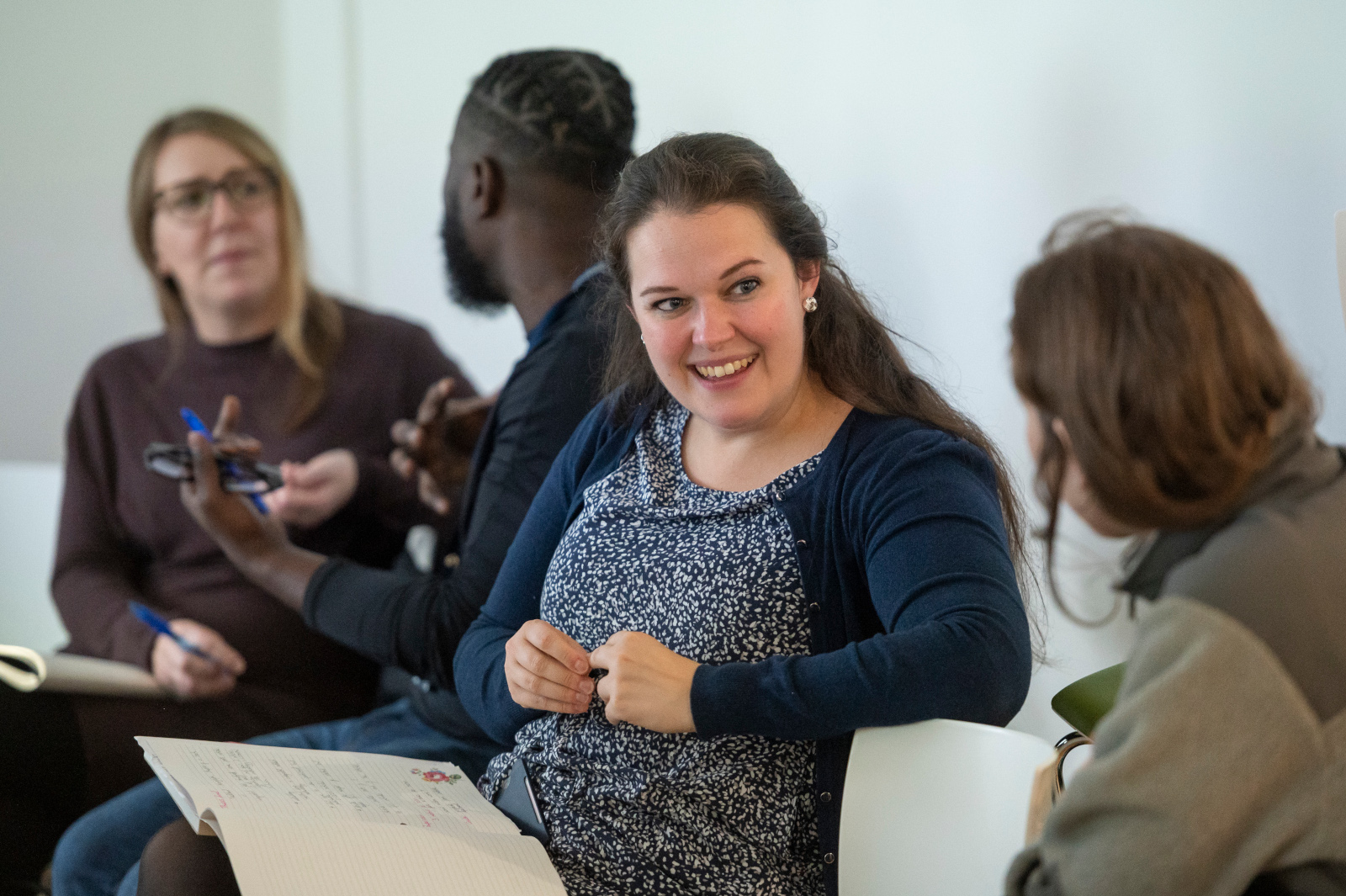
But working together for DLD should not only mean collaborating with researchers or practitioners around the world. It is also about working in partnership with people with lived experience of DLD to shape and conduct research. If our work is to improve support for people with DLD, then their experiences and priorities need to inform what we do. We need to listen to what people with DLD and their families tell us matters most to them, and work together to develop recommendations from our research which are ethical, realistic and practical for people with DLD. Within the TICLD project we are conducting workshops across the seven participating countries asking children and young people, as well as their family members, for their views, using flexible and inclusive approaches, so that we can hear their unique perspectives.
Together for DLD should also mean moving beyond involving people with DLD only as research participants to including them as collaborators and co-designers. We are putting this into practice by involving people with DLD and their family members at every stage of the project: from helping to find participants and interpreting our study findings with us, to shaping recommendations for future research and co-authoring papers.
Perhaps that is what Together for DLD means to us: not expecting everyone to have the same perspective or experience but creating opportunities to bring those different perspectives together and celebrating and learning from that diversity.
To learn more about the international TICLD project, visit https://www.ucc.ie/en/ticld/.
You can also get involved by signing up here https://www.ucc.ie/en/ticld/getinvolved/ .
The study is led by Professor Pauline Frizelle (University College Cork) with Professor Carol-Ann Murphy (University of Limerick) and Professor Cristina Mckean (University of Oxford). The Oxford arm of the project is being conducted by Cecilia Zuniga-Montanez and Natalie Waters, who are working to ensure that the voices of children, young people, and families inform the way research into DLD is conducted around the world.
For more information about DLD and resources visit RADLD – Raising Awareness of Developmental Language Disorder.
Latest
-
 BlogLooking back to look forward: what sixth form students remember learning, and wanted to learn, about climate and net zero in KS3September 30, 2026
 -
 BlogEquity is digital? Digital access, physical encounters, and belonging in museumsSeptember 16, 2026
 -
 BlogSEND Case Officers and provision for children and familiesSeptember 7, 2026