


National trial shows preschool language programme boosts language skills

Published by the Education Endowment Foundation (EEF), the independent evaluation found that children who took part in the programme made an average of one month’s additional progress in language development compared with those who did not participate.
Co-developed with UCL Institute of Education (IOE) and LINGO, the trial involved around 1,700 children aged three and four in 123 early years settings in England and was independently evaluated by the National Institute of Economic and Social Research.
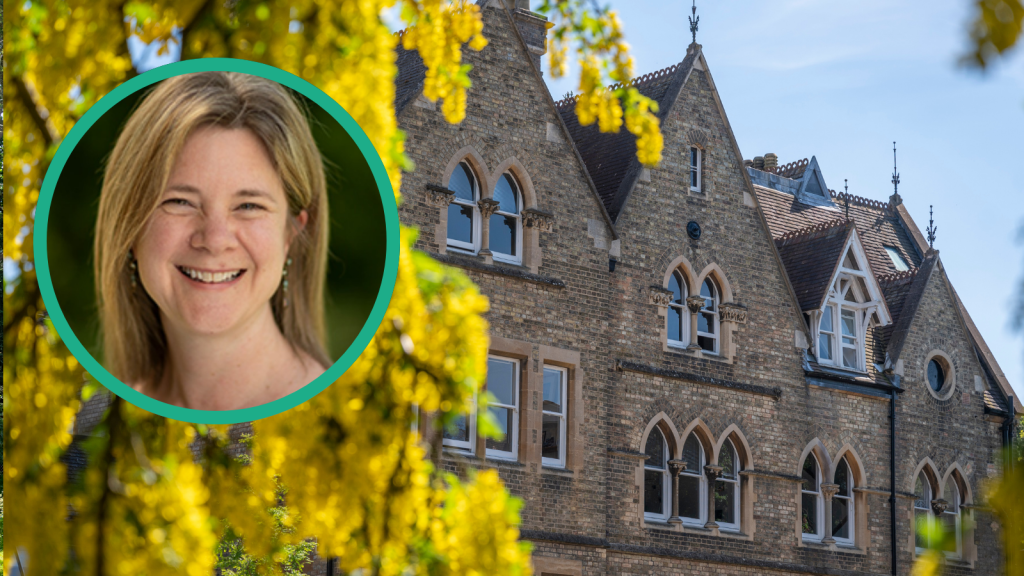
Dr Sandra Mathers led the development of the professional development component and expanded programme handbook.
Sandra said: “Strong language skills open doors for children throughout their education, so we are delighted by these findings.
“Talking Time© is designed to work with educators’ professional expertise, rather than replace it. It gives them a clear structure, but also the flexibility to adapt activities and conversations to each child’s needs, interests and stage of language development.”
The impact was particularly promising for children who may face additional barriers to language development.
Children eligible for the Early Years Pupil Premium (EYPP) and children with English as an Additional Language (EAL) made around two months of additional progress.
This matters because children who start school with weaker language skills are more likely to face challenges throughout their education, with children from disadvantaged backgrounds particularly at risk.
Talking Time© uses small group activities built around conversation, storytelling and play to help children develop their language.
Educators also receive training and mentoring to support them in using research-informed ways of talking with children.
Unlike more ‘scripted’ interventions Talking Time© is designed to build long-term workforce capacity.
It develops educators’ professional knowledge, confidence and skills so that high-quality conversations and language-rich interactions become part of everyday nursery practice.
The trial found that the programme’s strongest effects were on children’s expressive vocabulary: the words children are able to use themselves, rather than only understand.
Educators also responded positively to the programme. They reported increased confidence and skills in supporting children’s language development – and that many of the approaches introduced through Talking Time© became embedded in their everyday practice, supporting wider impact and sustainability.
The evaluation was funded and commissioned through the Education Endowment Foundation as part of the Department for Education’s Early Years Recovery Programme.
Four Early Years Stronger Practice Hubs supported delivery of the programme across England.
Read the report here.
Latest
-
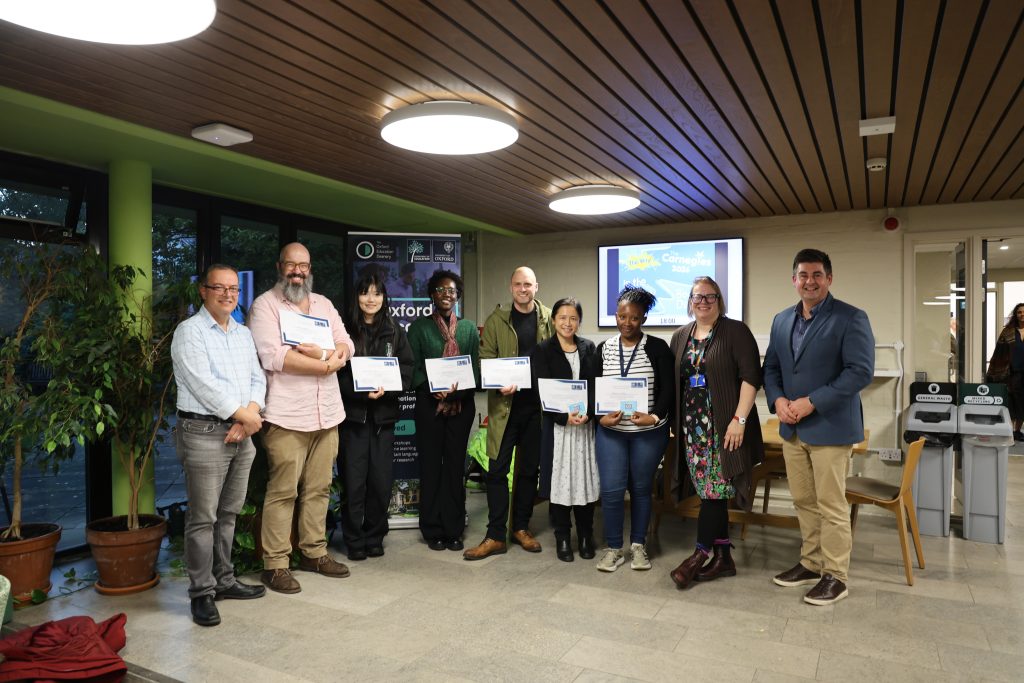 NewsAnnual Poster Conference: students and staff showcase researchOctober 22, 2026
 -
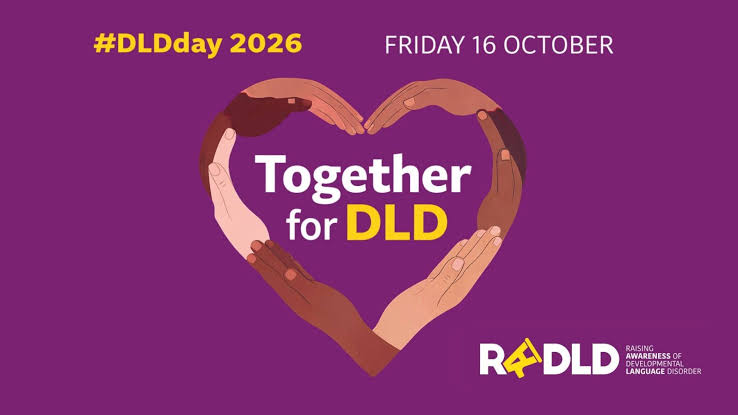 BlogTogether for Developmental Language DisorderOctober 13, 2026
 -
 NewsBritish Academy International Fellowships 2027: Expressions of Interest invitedOctober 12, 2026