
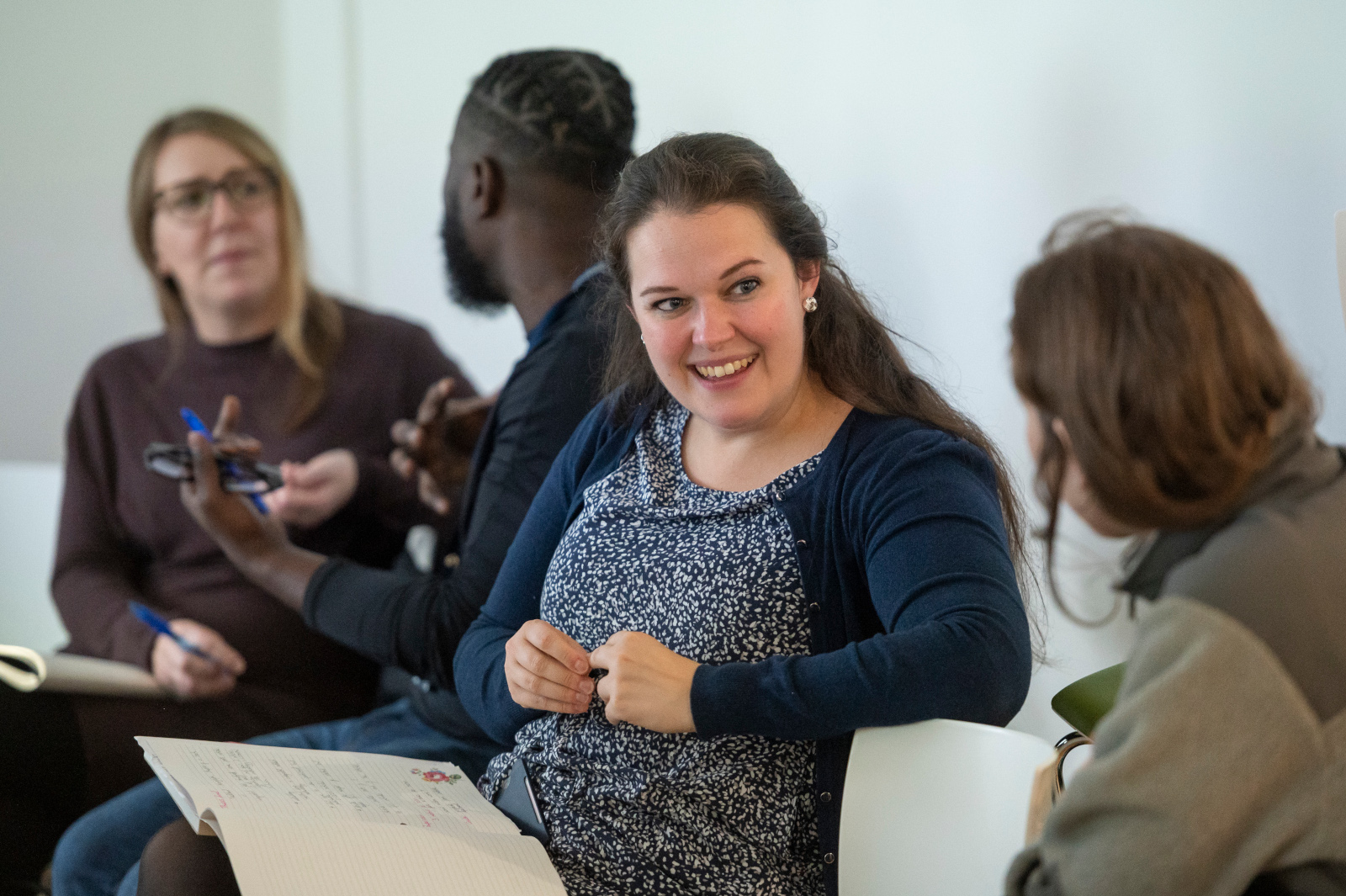
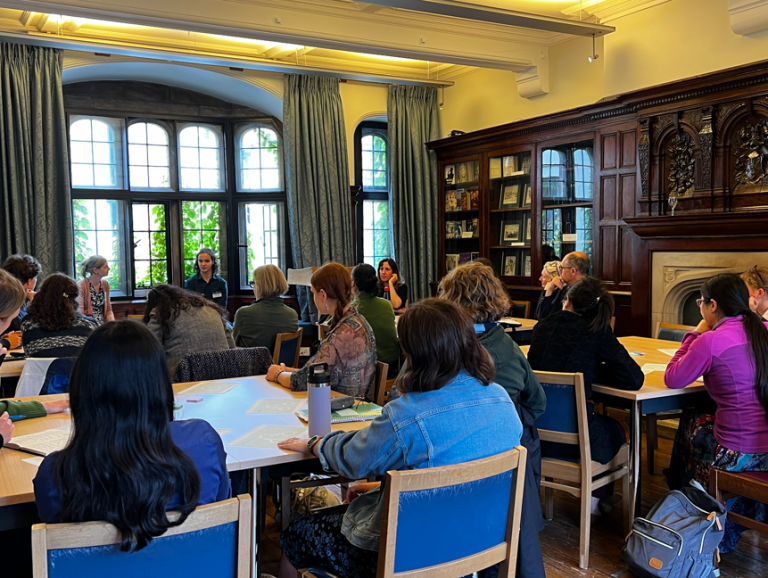

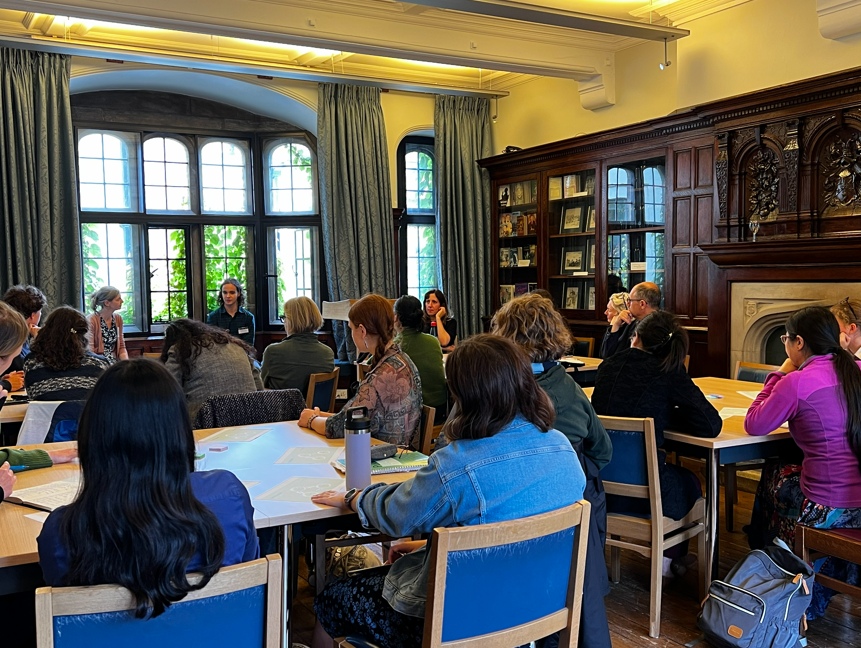
On Thursday 11 and Friday 12 June, a diverse group of 16 educators took part in the Oxford Education Deanery’s first Climate and Nature Collaborative, facilitated by the Deanery Sustainability Team.
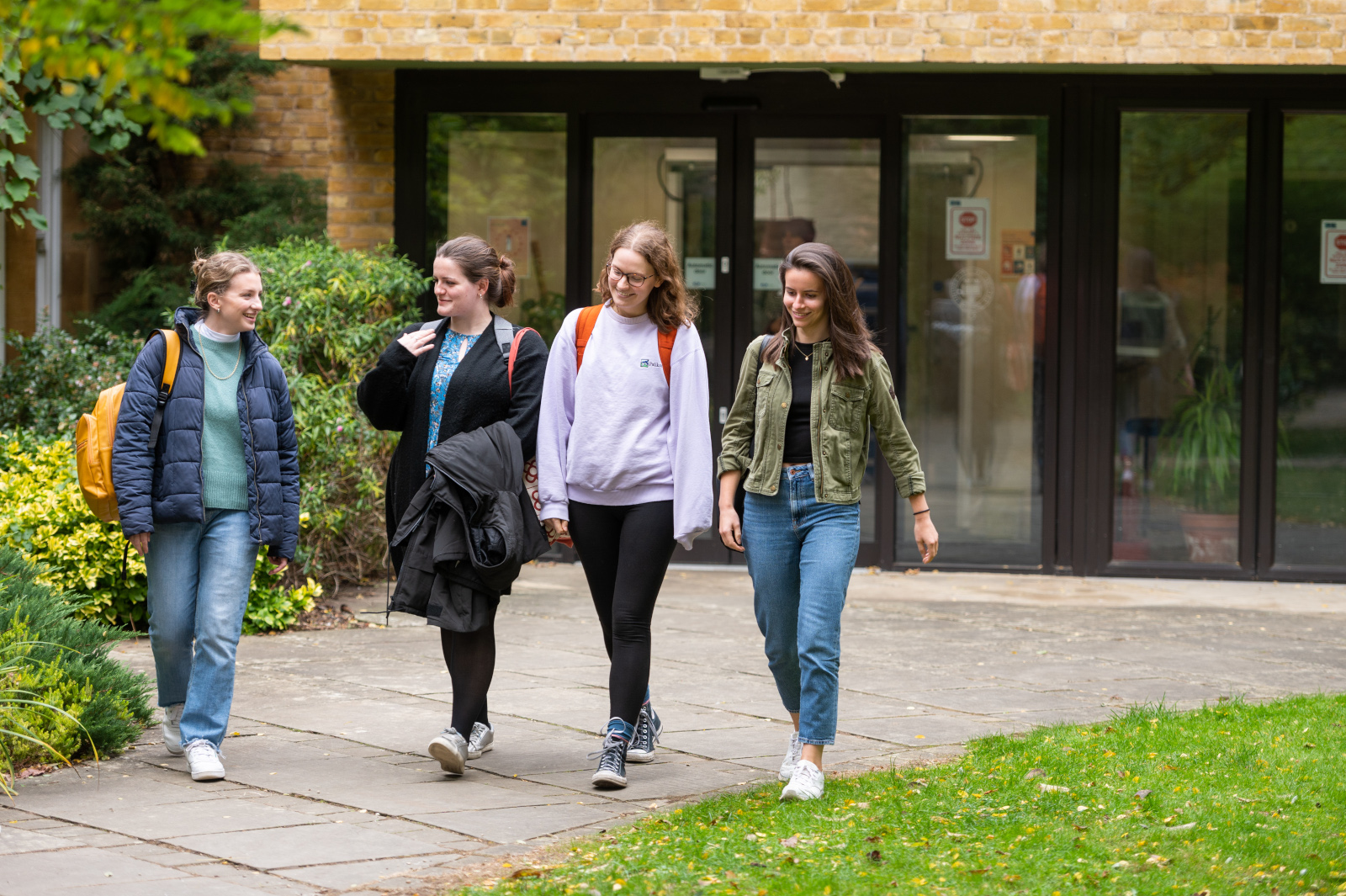
Spanning primary and secondary phases and including teachers of different subject specialisms as well as educators from international contexts, the Collaborative became an in-depth, generative context for them to develop specific aspects of climate and nature provision within their different settings.
Over the two days, the Collaborative included several briefings from experts. Alison Kitson of UCL’s Centre for Climate Change and Sustainability Education induced teachers to work on cross-curricular agency and powerful educational resources; Sarah Lloyd from the Museum of Natural History used specimens to encourage participants to explore big questions about environmental change and ecosystems; Steve Puttick presented the most up-to-date research into Net Zero education in schools. One session also focused on Oxfordshire students and young campaigners and their experiences of climate and nature education, as well as their hopes and ideas for the future, which teachers found very enriching.
The Collaborative facilitators also led sessions on good research-based pedagogical practice for both climate and nature education, and an in-depth session on climate emotions, which included opportunities for participants to connect with their own range of emotional experiences as well as conceptualising how different strategies might support their teaching.
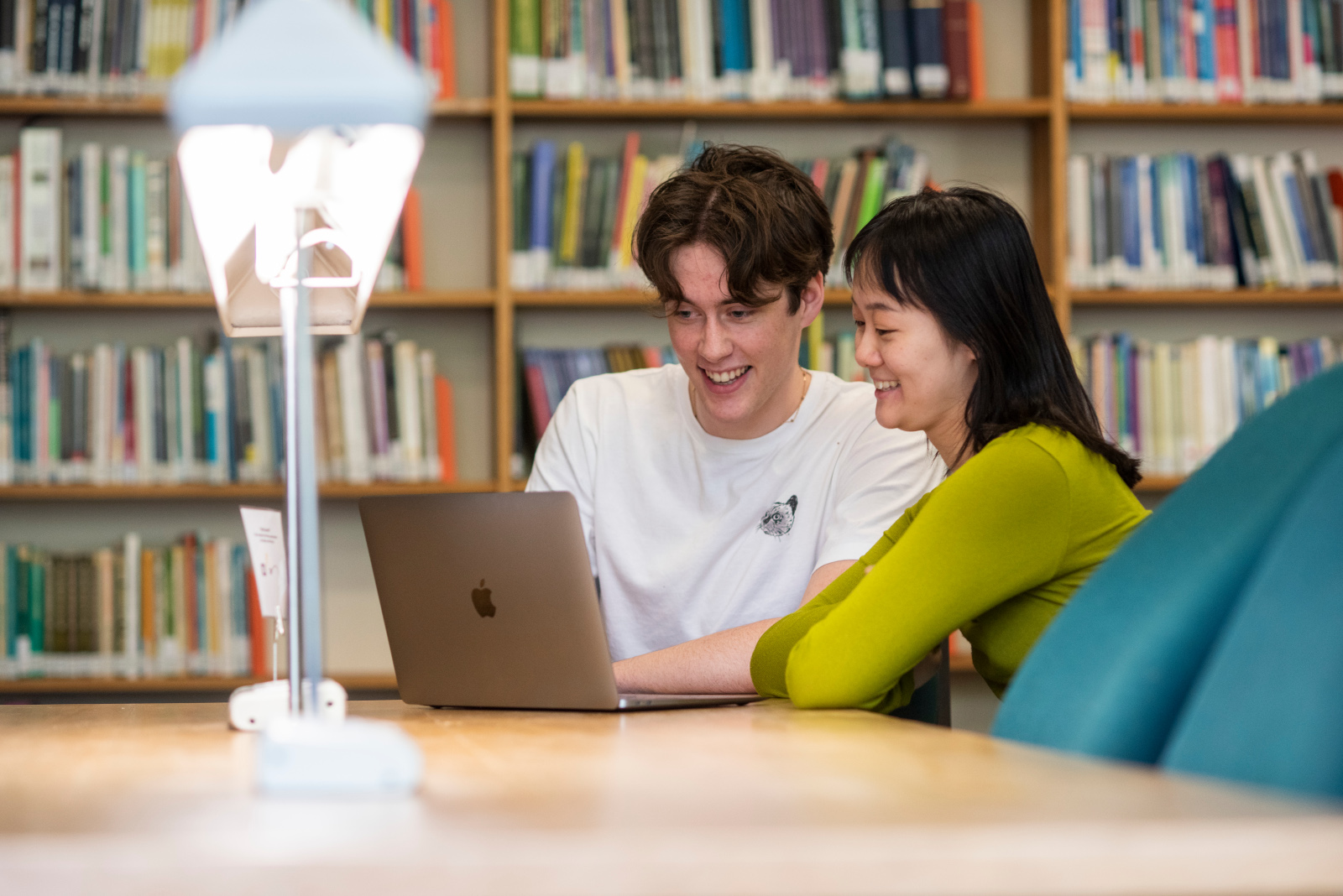
In between, participants worked in an exploratory, open and collaborative way to develop the prompts of the different sessions into specific projects for their own settings. Many creative ideas emerged, including the intention to develop school outdoor spaces as meaningful places with multiple curriculum links; how learning about food might intersect with a diverse range of subjects; using a local river as the starting point for an exploration of climate justice; and engaging more colleagues in climate and nature practice through exploratory cafes and nature-based activities.
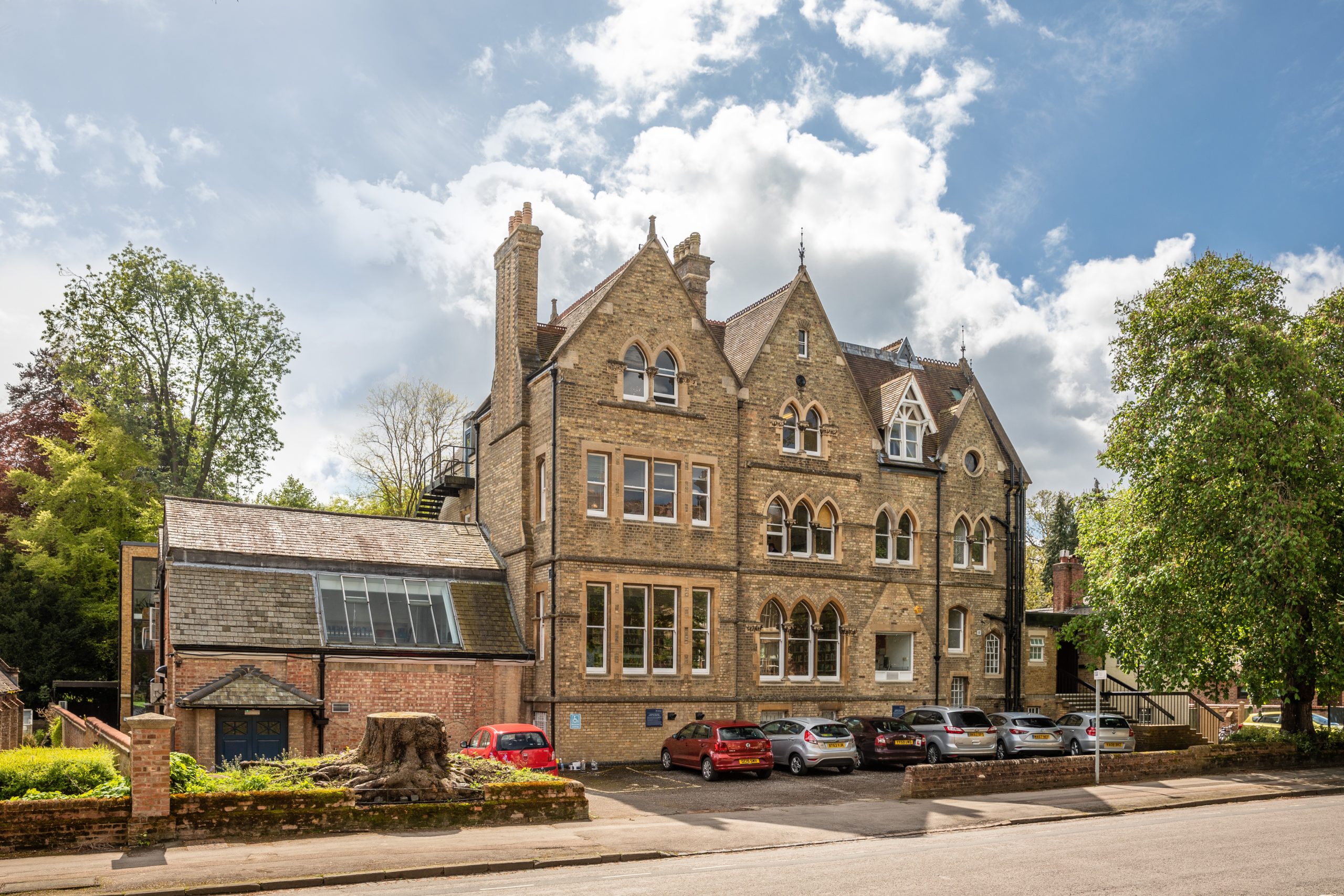
Connection with the living world was also an important part of the Collaborative itself. Participants chose beings from the Museum of Natural History to connect with and introduce; they used the garden of the Department for a nature treasure hunt, and for quiet contemplative ‘sit spots’; they engaged emotionally with natural objects and their meaning. Fostering a sense of interconnectedness is a key facet of a rich, climate- and nature-connected curriculum and culture, and the participatory nature of the Collaborative encouraged the creation of a community with both passion and purpose.
Testimonials:
“That was the best conference I’ve ever been to, we all had such a nice time!”
“A truly enjoyable and interesting event”
“The programme was excellent and I feel inspired by the discussions we had and the people I met…I loved that every session was interactive… What we did was very powerful and I look forward to sharing this with my colleagues.”
This blog was written by Dr Megan Murray-Pepper (Oxford Education Deanery Sustainability Team)
Latest
-
 BlogLooking back to look forward: what sixth form students remember learning, and wanted to learn, about climate and net zero in KS3September 30, 2026
 -
 BlogEquity is digital? Digital access, physical encounters, and belonging in museumsSeptember 16, 2026
 -
 BlogSEND Case Officers and provision for children and familiesSeptember 7, 2026