
Partnerships are Powering Widening Participation at Oxford

Written by Professor Arathi Sriprakash (Department of Education) and Dr Claire Sims (Exeter College)
Over the past year, Exeter College and the Repair-Ed Project at the Department of Education, Oxford, have been working in partnership to develop sustained relationships with primary schools in Bristol.
Exeter College’s vision is to ensure that talented young people from all backgrounds feel a sense of belonging within higher education and can access the opportunities and support needed to realise their potential. While the College has developed strong partnerships with secondary schools across Bristol, working with Repair-Ed provides an opportunity to engage pupils earlier in their educational journeys, building sustained relationships with young people over time, supporting their confidence, aspirations and understanding of the opportunities available to them.
Repair-Ed (Reparative Futures of Education) is a five-year UKRI-funded research project that explores what repair looks like for the longstanding racial and class inequalities embedded in education systems. The project has been working with 10 primary schools in Bristol as well as local community organisations. Repair-Ed researchers at Oxford’s Department of Education have been doing research with children and the partnership with Exeter has enabled young people to come to Oxford to showcase their work. The project has created an online ‘People’s History of Schooling’ which maps the conditions of inequalities and visions for just futures of education.
The strength of this partnership lies in the combination of Exeter College’s expertise in widening participation and Repair-Ed’s deep understanding of the schools, students and educational contexts involved. Bringing together outreach practice and school-based research facilitates a deeper understanding of the barriers, experiences and aspirations that shape young people’s educational journeys. Working closely with researchers and young people enables us to co-create activities that reflect students’ lived experiences and interests. The result is a more responsive and informed model of widening participation, rooted in evidence and shaped by the voices of the students we hope to support.
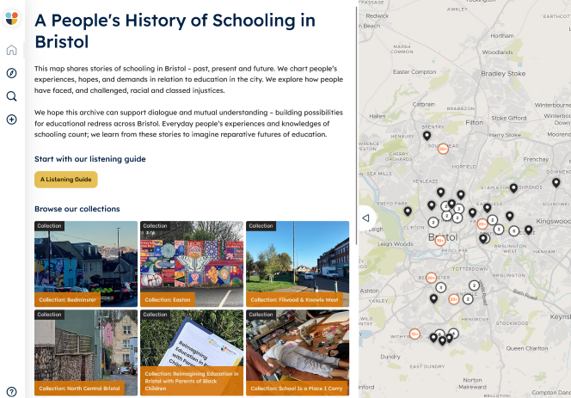
Image: The People’s History of Schooling interactive archive – https://www.repair-ed.uk/stories/
The power of our partnership
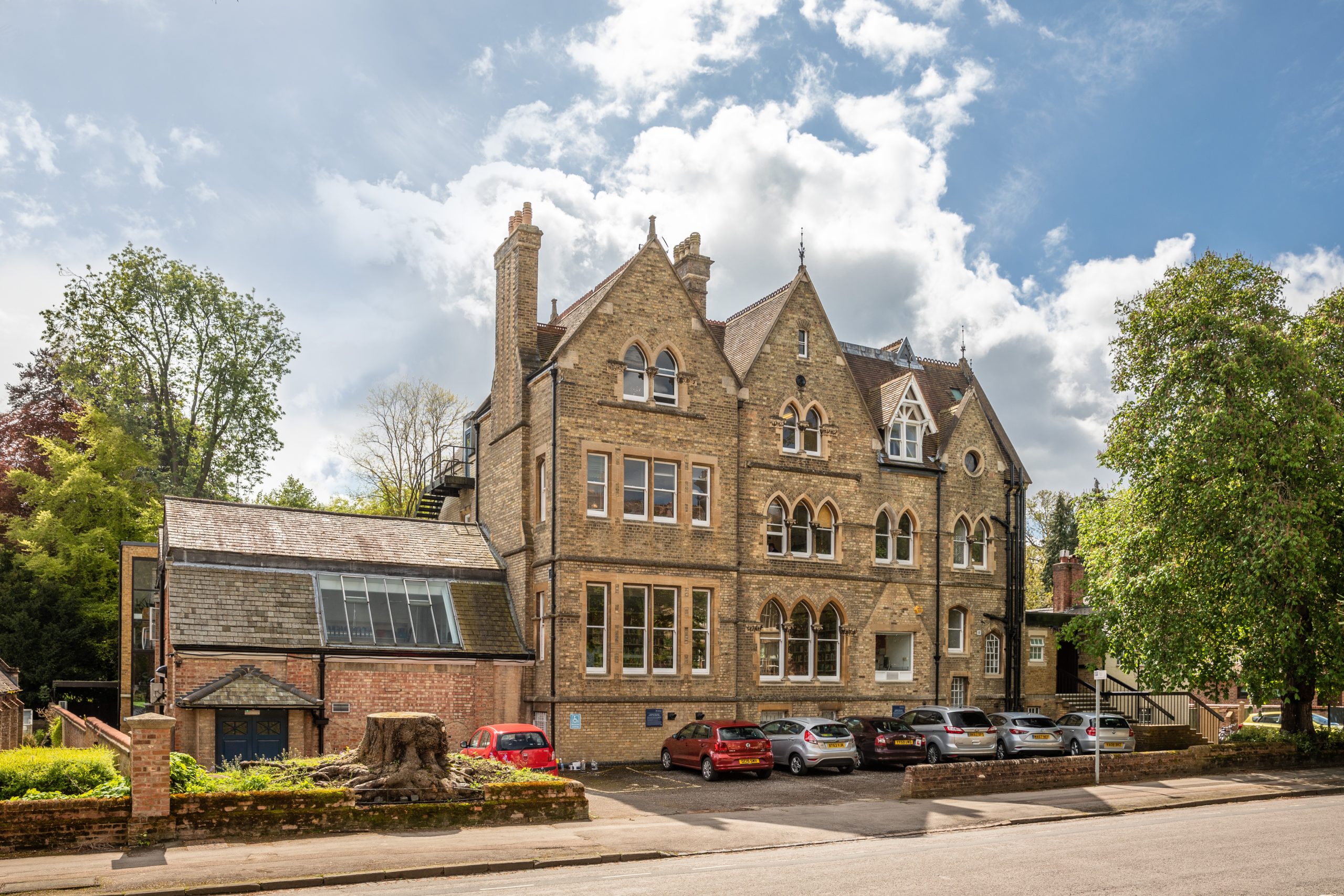
In February 2026, Exeter College hosted a primary school from Easton, in Bristol. Through a programme of interactive activities, a visit to the Museum of Natural History, and exploration around the College, pupils were encouraged to discover what university is, who it is for and how education can open doors to future opportunities. Reflecting on the visit, the school’s Deputy Headteacher commented: “The children had the best time. They are very excited by the university and really enjoyed learning about it, in such an engaging way.”
You can learn more about the area of Easton in Repair-Ed’s Peoples History of Schooling, including poetry and a film coordinated by Repair-Ed’s Annabel Wilson which explores Black Radical Imaginations of educational justice.
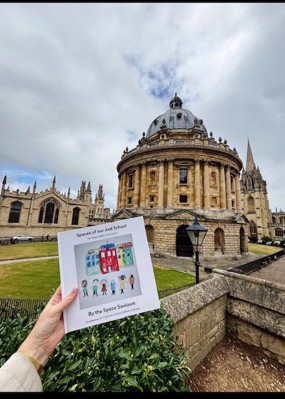
In June 2026, Repair-Ed DPhil researcher Priyanka Soni brought a group of 16 pupils she’s been working with in a primary school in Southmead, Bristol to Exeter College. The children have written a book that reimagines just spaces of their school, which they presented to a group of Oxford academics from the Department of Education. Their presentation and Q&A sparked thoughtful discussion, with researchers praising the pupils’ insight and confidence. As the pupils reflected, “Children are the future and we deserve to be heard” and “we have curious minds, big ideas and ask important questions.” Their research has already helped shape change within their school, including an outdoor classroom, a dedicated prayer room and greater cultural representation in the lunch menu, demonstrating how meaningful engagement can translate children’s ideas into real change. They closed by calling on “schools, researchers and policymakers” to continue listening to children’s voices.
Building on creative workshops with Somali pupils led by Repair-Ed researcher Vivian Látìnwọ̀-Ọlájídé, we hosted a visit to Oxford in collaboration with the community initiatives Future Pages and the Bristol Somali Resource Centre.
Several highlights emerged from the visit, including the opportunity for the group to meet members of the Oxford University Islamic Society and Oxford University Somali Society. These conversations offered powerful opportunities for pupils to engage with students whose experiences resonated with their own, helping to make higher education feel more accessible and relatable. One particularly memorable moment came when a six-year-old pupil asked, “What is one word that describes how you felt when you came to Oxford?” — a thoughtful question that sparked reflection and highlighted the curiosity and confidence displayed throughout the day.
Looking ahead
We are excited to build on this partnership. In the next academic year we will be hosting more activities in Oxford for Repair-Ed schools and communities, including a photography exhibition curated by Bristol children (coordinated by Asia Giuliani) and a youth conference presenting findings from Bristol children’s research on just futures of education (coordinated by Ishani Parekh).
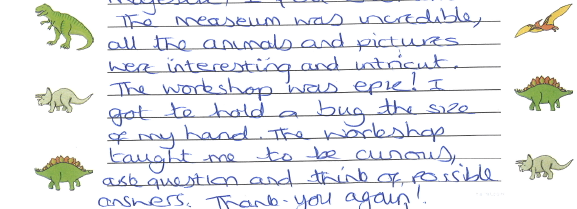
While individual visits provide valuable opportunities for pupils to experience university life, the long-term ambition of the partnership is to build sustained relationships with young people throughout their educational journeys. As these pupils progress through school, many will have opportunities to participate in Exeter College’s wider outreach programmes with secondary schools across Bristol, creating a continuum of engagement that helps young people understand the value of higher education and see themselves within it. We hope these experiences will encourage pupils to continue asking questions, exploring new possibilities and remaining curious about their futures—something reflected in the thoughtful and enthusiastic feedback received from a Year 6 pupil following a visit.
Latest
-
 BlogLooking back to look forward: what sixth form students remember learning, and wanted to learn, about climate and net zero in KS3September 30, 2026
 -
 BlogEquity is digital? Digital access, physical encounters, and belonging in museumsSeptember 16, 2026
 -
 BlogSEND Case Officers and provision for children and familiesSeptember 7, 2026