




University, apprenticeships or entrepreneurship? What do young people really want?


At the same time, there is renewed debate about how the education system should prepare young people for their futures after school.
In a speech laying out his vision for Britain’s future, Andy Burnham argued that “we need a complete rethink of how we support the next generation to succeed, and it has to start with the education system.” He also suggested that the education system should no longer be designed around university as the primary post-16 pathway.
These comments raise an important question. If we are rethinking how we prepare young people for the future, do we really understand the careers they aspire to? Public debate often focuses on educational pathways, but far less attention is paid to what young people actually want from their working lives.
To explore this question, our paper on “Career motivations and perceptions of teaching of 16–19-year-olds in England and Wales” surveyed 672 secondary school students aged 16–19 from schools and colleges across England and Wales about the careers they hoped to pursue and what they wanted from their future working lives. Students rated their interest in careers across a range of sectors, including technology, healthcare, teaching, entrepreneurship and the creative industries, as well as the factors they considered most important when choosing a career.
One finding stood out. Entrepreneurship emerged as the most popular career aspiration among the young people in our study. At a time when policymakers are discussing technical education, innovation and economic growth, this suggests many young people are already attracted to careers that involve creating opportunities rather than simply following traditional employment pathways.
Overall, young people placed the greatest importance on careers that matched their interests, were exciting and made use of their skills. Job security and good pay were also highly valued, but salary was not the most important career motivation across the sample.
However, when we looked specifically at entrepreneurial aspirations, a different pattern emerged. Students who placed greater importance on earning a good salary were more likely to aspire to entrepreneurship than those who did not. This does not mean aspiring entrepreneurs are motivated by money alone. Rather, it suggests that financial reward is a particularly important consideration for young people attracted to entrepreneurial careers.
These findings raise important questions for schools, universities, and policymakers. If increasing numbers of young people aspire to entrepreneurial careers, are our education pathways helping them develop the knowledge, confidence, and skills needed to pursue those ambitions?
Careers education has traditionally focused on helping students navigate established professions and educational routes. Yet entrepreneurship requires a different mix of capabilities, including creativity, resilience, opportunity recognition, and an understanding of risk.
This is not an argument against university. For many aspiring entrepreneurs, higher education provides valuable knowledge, professional networks and opportunities to develop business ideas. Equally, apprenticeships and technical qualifications can offer practical experience, industry expertise and routes into self-employment or business creation.
As the labour market evolves, careers are becoming less linear, with many people moving between employment, self-employment and entrepreneurial ventures over the course of their working lives. Educational pathways therefore need to prepare young people for a changing world of work and reflect the diverse aspirations they hold, rather than assuming a single route to success.
As Results Day approaches, attention will understandably focus on grades, university places and apprenticeship offers. Yet our research suggests that these milestones are only part of the story.
Educational destinations matter, but so do the careers young people imagine for themselves. Understanding those aspirations, and what motivates them, may be just as important as deciding which pathway they choose to get there.
Written by Dr Sophie Thompson-Lee
Latest
-
 BlogLooking back to look forward: what sixth form students remember learning, and wanted to learn, about climate and net zero in KS3September 30, 2026
 -
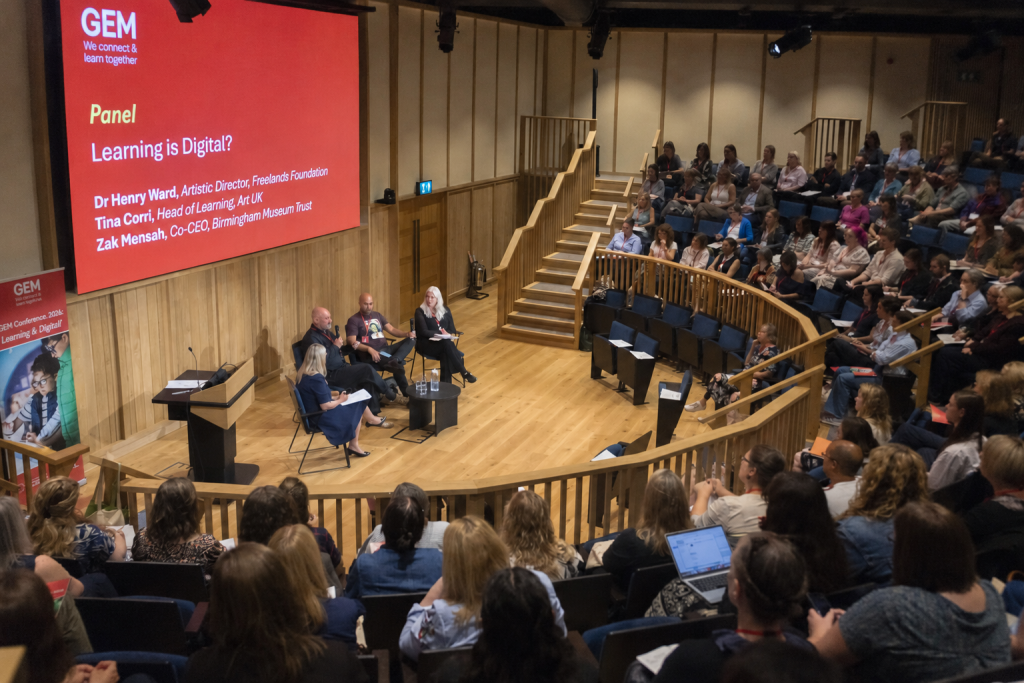 BlogEquity is digital? Digital access, physical encounters, and belonging in museumsSeptember 16, 2026
 -
 BlogSEND Case Officers and provision for children and familiesSeptember 7, 2026