
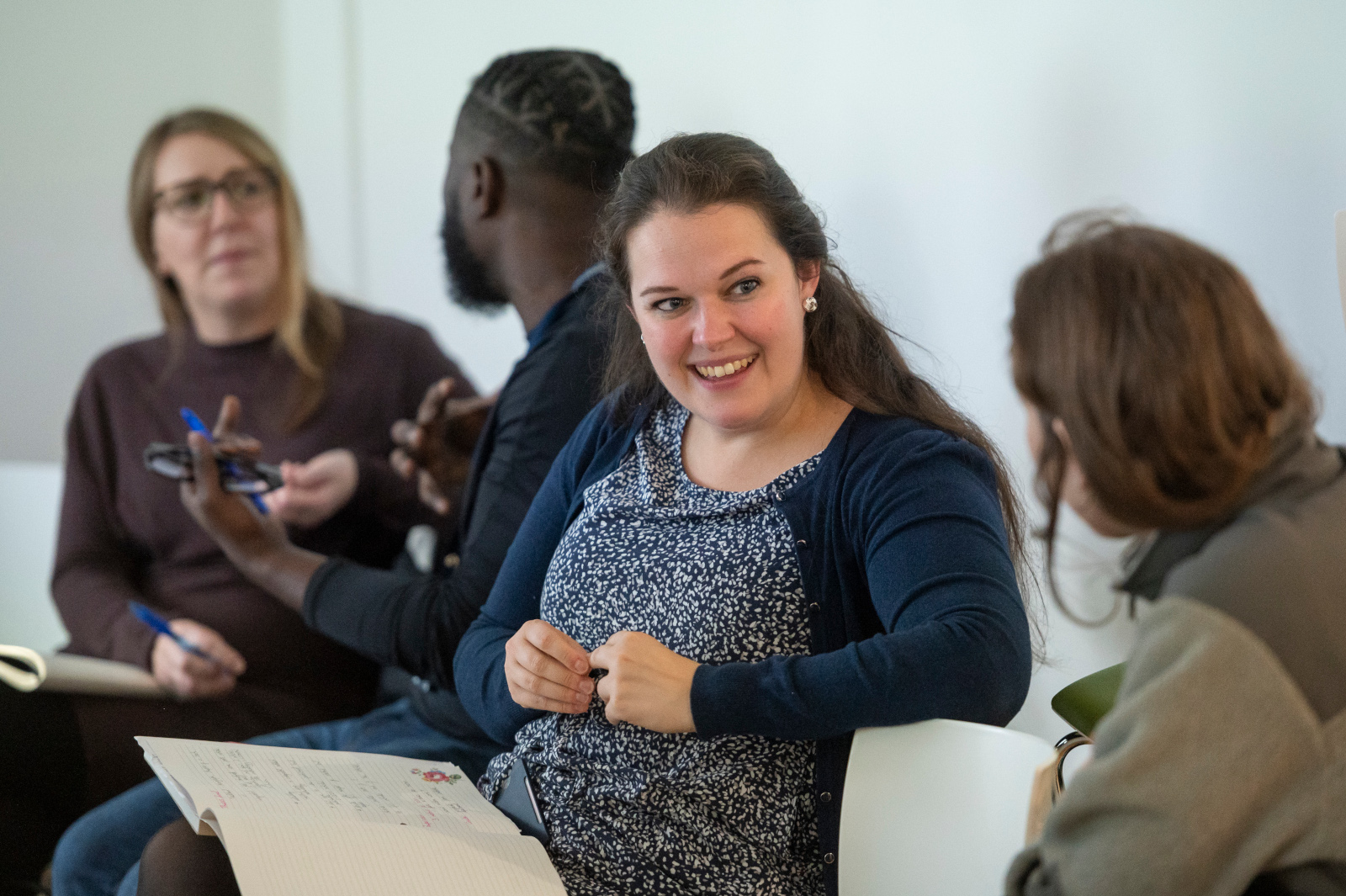

Learning Disability Week: Seeing, hearing, and valuing voices of children and young people with SEND


Do you see me?
Introduction by Dr Kyle Davison
The theme for 2026, “Do you see me?”, emphasises the importance of recognising people with learning disabilities as individuals, not defined by labels or assumptions. It encourages society to ensure that people with learning disabilities are seen, heard, and valued, and to reflect on whether they are included in communities, workplaces, and public life.
As Education researchers, we might take this moment, too, to consider whether our own research genuinely includes and amplifies the voices of those whose experiences it seeks to understand: whether children and young people with diverse individual learning needs are involved in shaping the questions, methods and interpretations of research about them, and whether we are moving beyond deficit-focused accounts towards work that recognises their knowledge, interests, perspectives, enthusiasm, and contributions.
In this blog, four of our researchers in the Department reflect on their use of inclusive and participatory approaches to create ways for children and young people to shape what research asks, how it is carried out, and what it comes to mean.
Taken together, these reflections suggest that being seen in research means being listened to seriously, involved meaningfully, and recognised as someone whose knowledge and experience can shape both practice and knowledge.
Taking time to listen
Professor Jill Porter
Gaining authentic voices in the production of research includes reflection on the research process itself. I worked with the Home Farm Trust to investigate the use of ICT by service users with learning disabilities and its impact on quality of life. An advisory group of service users informed the design of the research, shaped the methods used and identified key messages to share with a wider audience.
At the end of the project, we produced a co-written paper, ‘Time to Listen’, one of the first of its kind to be published in an academic journal. Submitted in both symbol and written forms, the paper provides important insights into the experience of contributing to the work of the advisory group and the practices that support this.
A pedagogy of play for autistic learners in South Africa
Dr Stephanie Nowack
I explored existing autism research in early childhood, pre-primary, and primary education across Sub-Saharan Africa, with particular attention to pedagogical practices, methodological approaches, epistemic positioning, and the representation of voice. My review of autism research in early childhood, pre-primary and primary education across Sub-Saharan Africa revealed a lack of participatory research approaches that engage teachers as agentic partners in shaping the research process. At the same time, the voices of autistic learners remained largely absent from the literature.
In response to these gaps, my participatory research in South African autism schools showed that a pedagogy of play for autistic learners centred on exploration, enjoyment and empowerment. This work highlighted the importance of creating safe spaces for learners, developing trusting bonds among teachers, students and parents, and adhering to structured routines that support children’s needs and interests.
Valuing young people’s expertise
Thomas Procter-Legg
Inclusive methods are essential if we are committed to ensuring that all young people are seen, heard, and valued within research. Young people with SEND continue to be among the most excluded groups, despite often holding some of the most important insights into the systems, relationships, and practices that shape their lives. For me, this is particularly important in research that seeks to understand embodied and relational experiences, and in studies that value the complexity of human interactions.
My current study explores how a restorative philosophy is enacted within specialist schools in England using student-led walking tours. Although the method looked different in each school and with each young person, the core principle remained the same: working alongside young people, giving them as much control as possible, and recognising their experiences as a form of epistemic authority.
The findings not only illuminate how a restorative philosophy is experienced but also suggest a conceptual shift within restorative practice itself. One which moves beyond the normative focus on equality and grand resolution, towards a stronger emphasis on iterative, equity-orientated and truly relational praxis. By centring the perspectives of those most directly affected by educational inequities this research demonstrates that meaningful inclusion can contribute to new conceptual understandings and, in this individual case study, reshape expectations associated with everyday restorative practices.
Shaping research through lived experience
Dr Sarah Gorin
As part of the Children’s Information Project in the Department, we are developing research with young people and parents who have experience of children’s social care, some of whom have SEND, or care for children with SEND.
The consultation with families seeks to understand whether they feel their voice is reflected ‘in’ information about them and ‘about’ how their information is used, shared and analysed. The consultation has a number of young people and parents who are Expert Advisers, contributing to the design, conduct, interpretation and dissemination of the research. Their lived experience brings unique value and depth to the project.
We are also seeking funding to work with Oxfordshire County Council and other local authorities to map existing participation practices across children’s social care and SEND provision. We would like to develop practical tools for social workers and SEND professionals to support more meaningful and effective participation and voice of children and young people with SEND in decision-making and planning for their care.
Latest
-
 BlogTogether for Developmental Language DisorderOctober 13, 2026
 -
 BlogLooking back to look forward: what sixth form students remember learning, and wanted to learn, about climate and net zero in KS3September 30, 2026
 -
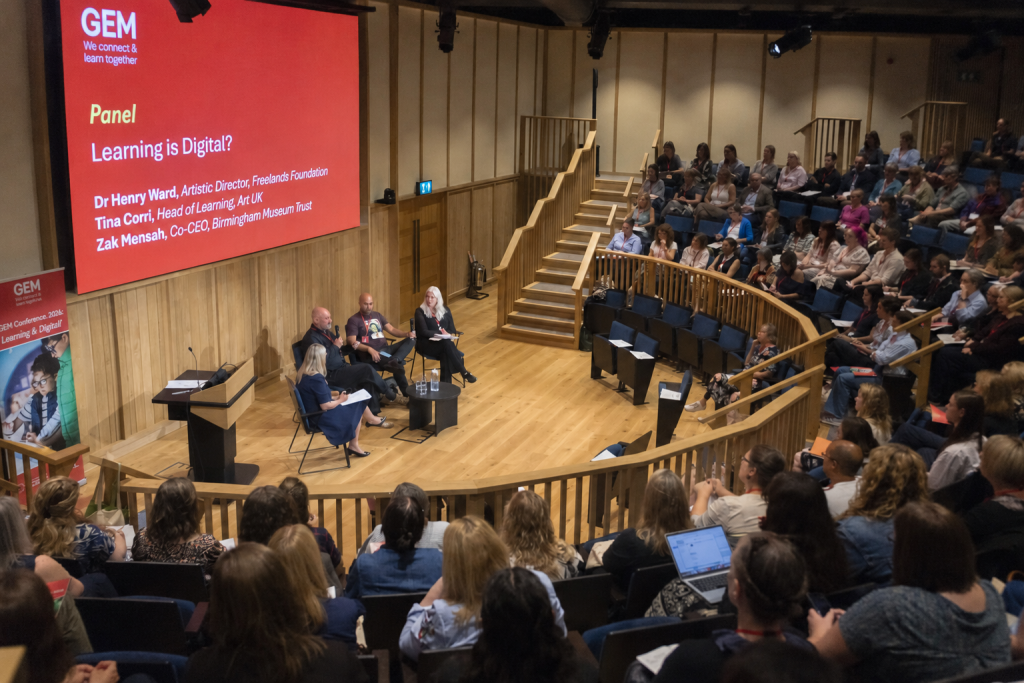 BlogEquity is digital? Digital access, physical encounters, and belonging in museumsSeptember 16, 2026