



Not just looking: What children enjoy about museums

According to recent research commissioned by Arts Council England, 52% of children and young people visited a museum in the last year, with museum visiting peaking among 8–10-year-olds. But what is it about museums that children find memorable, and how could museums become even more enjoyable for young visitors?
As part of a broader project, Time Odyssey: A Journey to Cultural Confidence, exploring children’s engagement with museums in partnership with Art Explora, we ran focus groups with 8–10-year-old children to ask exactly that question.
Castles, stately homes, trains, games, science, and technology were all discussed as possible museum themes and spaces. The children agreed that museums contain historical artefacts. As one child explained, museums have “maybe like old artefacts or interesting artefacts that are from the past or have like a story to them.” However, their understanding of what makes a museum was much broader. As one child put it, “It’s still history, but it’s not ancient”, and another explained that “some museums can have new discoveries in them.” The idea that museums are not only about old things, but the stories behind them, was also raised by one child, who described “museums or old places [that] are special because they were used as something.” These discussions suggest that children already understand museums as places that can connect recent history, technology, and contemporary culture alongside the more distant past.
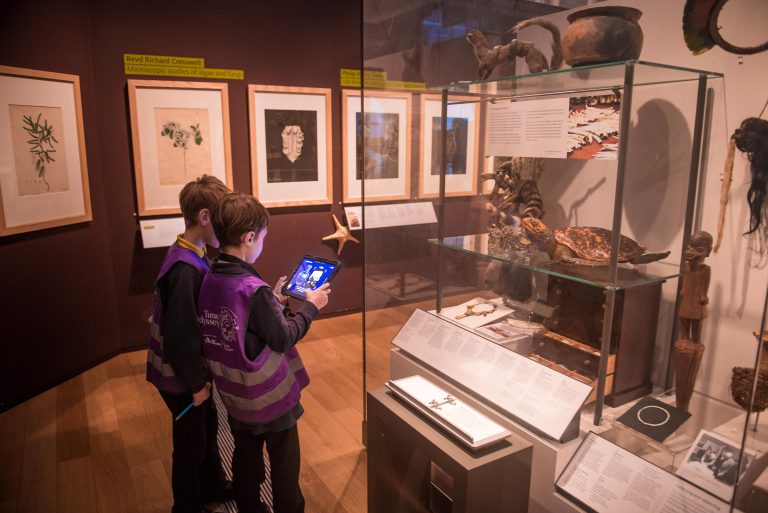
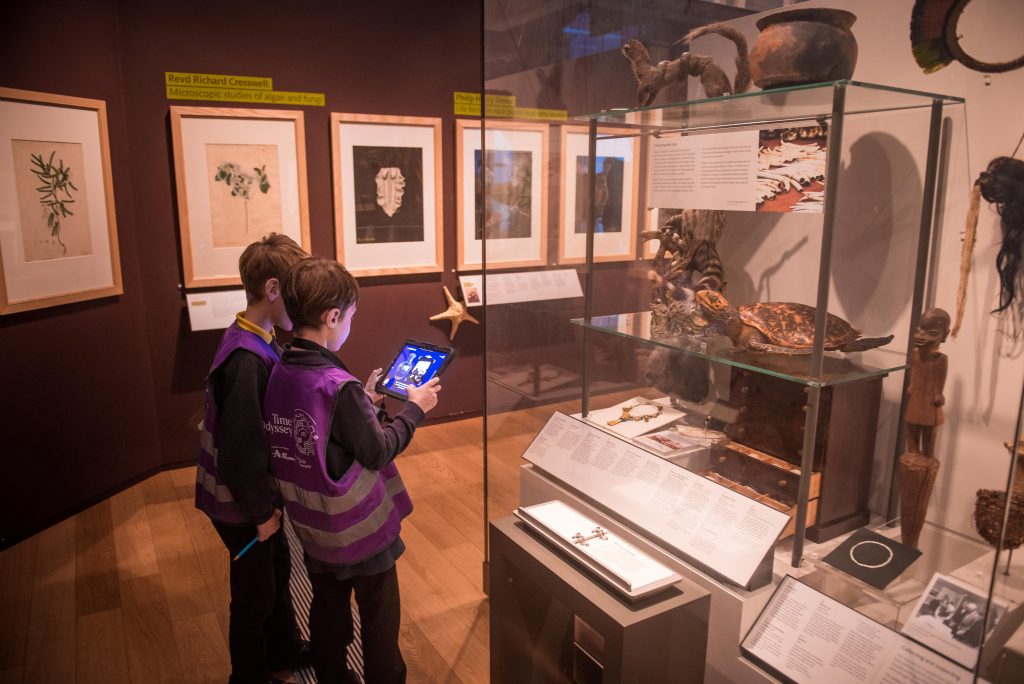
What children enjoyed most about museums was not simply looking at objects but actively doing things. Interaction, scavenger hunts, experiments, technology, and immersive experiences were repeatedly described as the most memorable parts of museum visits. Reflecting on a visit to a local train museum, one child explained that “it was sort of like you were time travelling from the earlier trains to the later trains”, describing the immersive nature of the experience. Another child explained that “If you have a goal to find something … you would read the whole thing”, suggesting that children engage more deeply with museum information when they are active participants rather than passive observers.
Interactivity and technology were also central to the children’s ideas about how museums could become more engaging for young visitors. Children suggested museums should be “…using more technology as well”, including digital activities such as “like on an iPad… when you go around to collect something”. Encouragingly, the children did not reject learning or information as an enjoyable part of museum visits. Instead, what they wanted most was not less information, but more meaningful and interactive ways of engaging with it.
On International Museum Day, children remind us that museums are not simply places that preserve the past, but spaces where curiosity, imagination, and discovery continue to shape the future.
Written by Dr Sophie Thompson-Lee
Latest
-
 BlogLooking back to look forward: what sixth form students remember learning, and wanted to learn, about climate and net zero in KS3September 30, 2026
 -
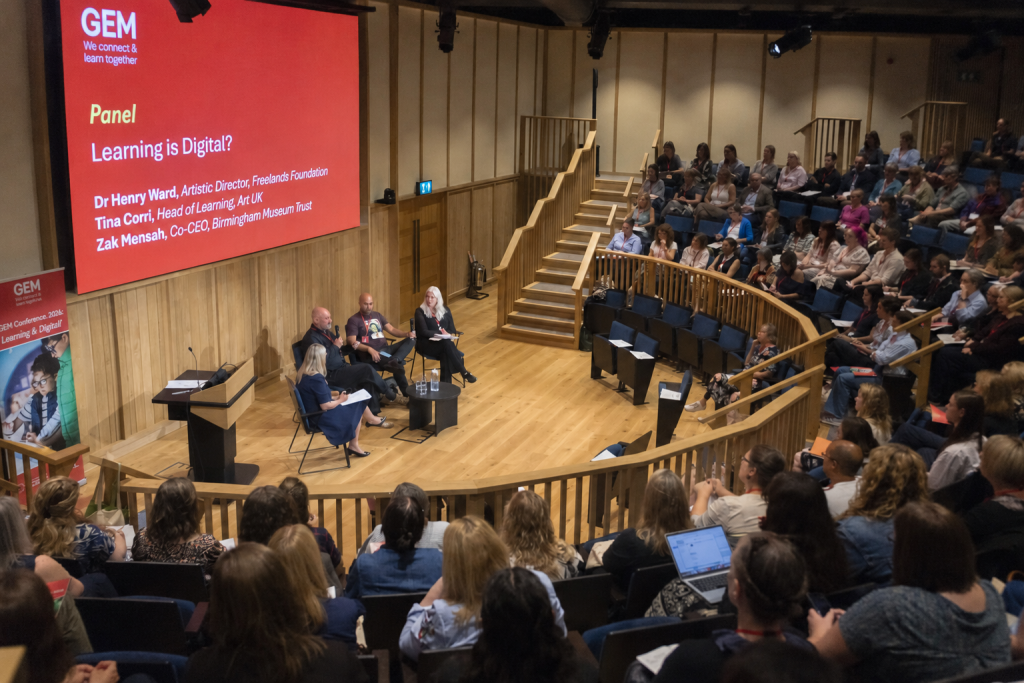 BlogEquity is digital? Digital access, physical encounters, and belonging in museumsSeptember 16, 2026
 -
 BlogSEND Case Officers and provision for children and familiesSeptember 7, 2026